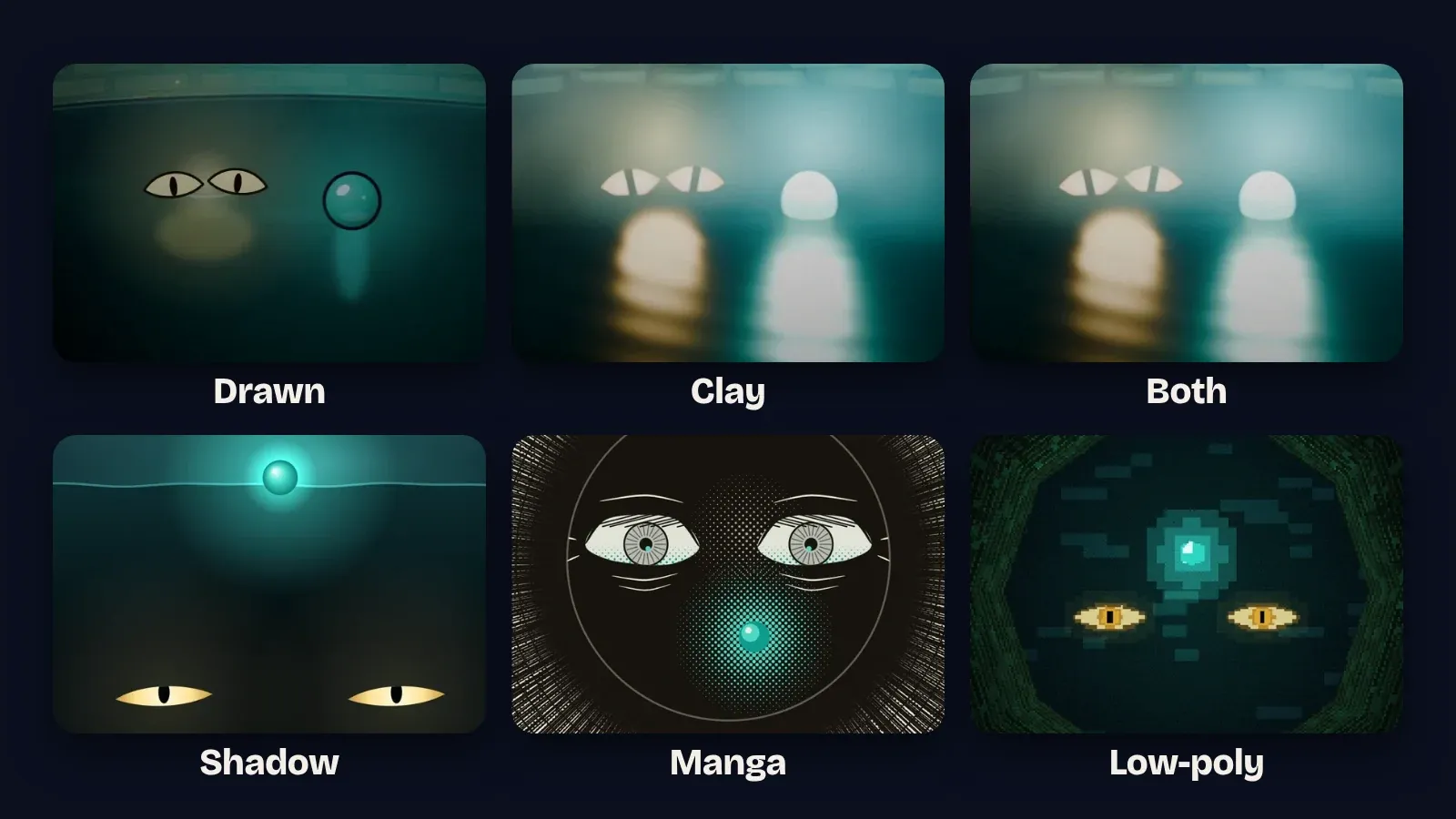
2D, clay 3D or shadow puppets? One horror scene made six ways
To pick a look for our horror reels we made the same 8-second scare six ways, from 2D and clay 3D to manga and shadow puppets. Why the cleanest one won.
25 posts
To pick a look for our horror reels we made the same 8-second scare six ways, from 2D and clay 3D to manga and shadow puppets. Why the cleanest one won.
 Plumb
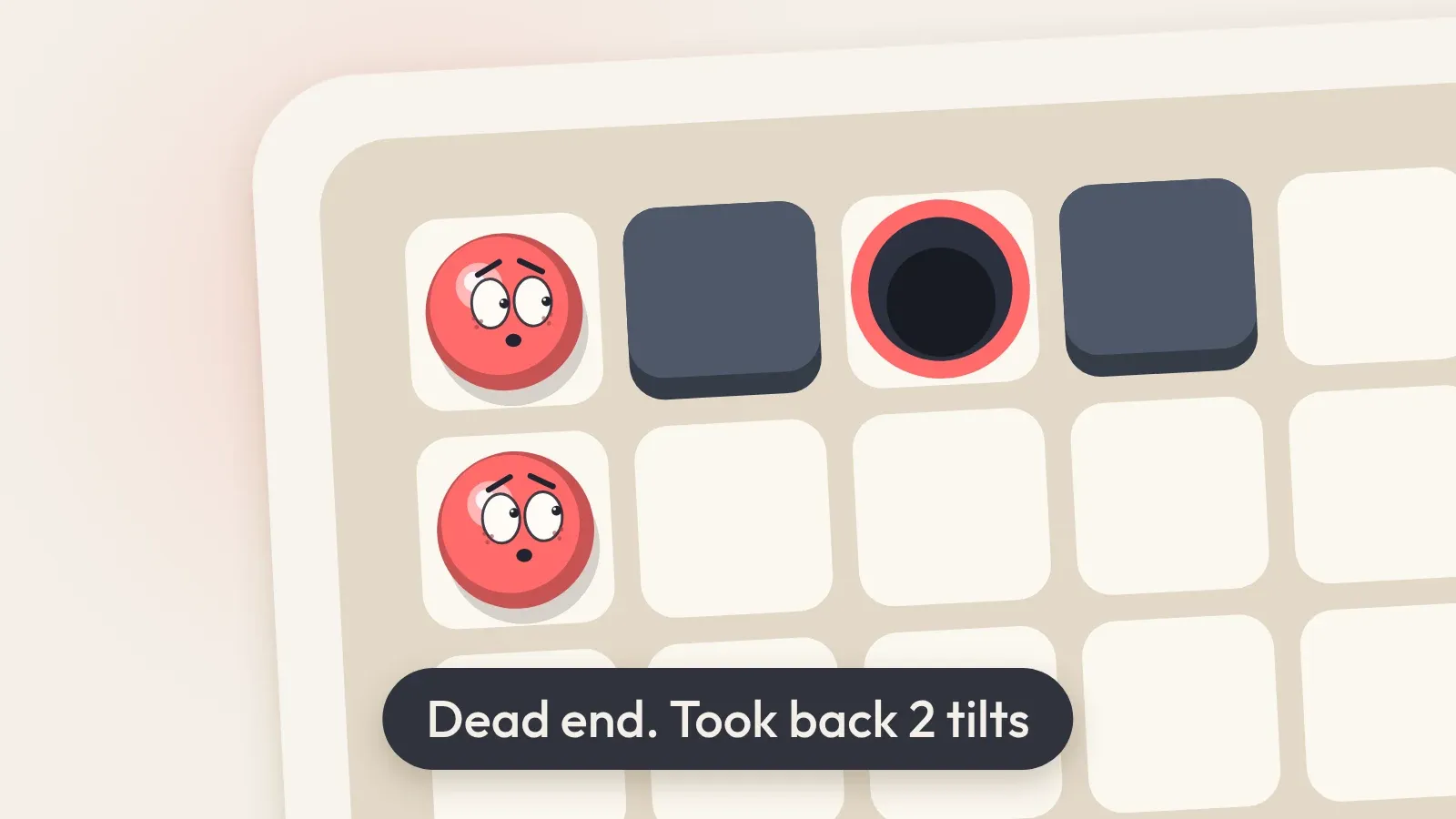
On level 181, Plumb's hint told me there was no way home and to restart. Why that happens on many levels, and how the hint now takes you back instead.
A press needs a clear reply. Explore input delay, visible feedback and readable motion with an interactive example, without treating animation as a latency fix.
A wrong move can teach you something. Explore how Undo, Restart and previews help you read a puzzle, with a small interactive example you can take back.
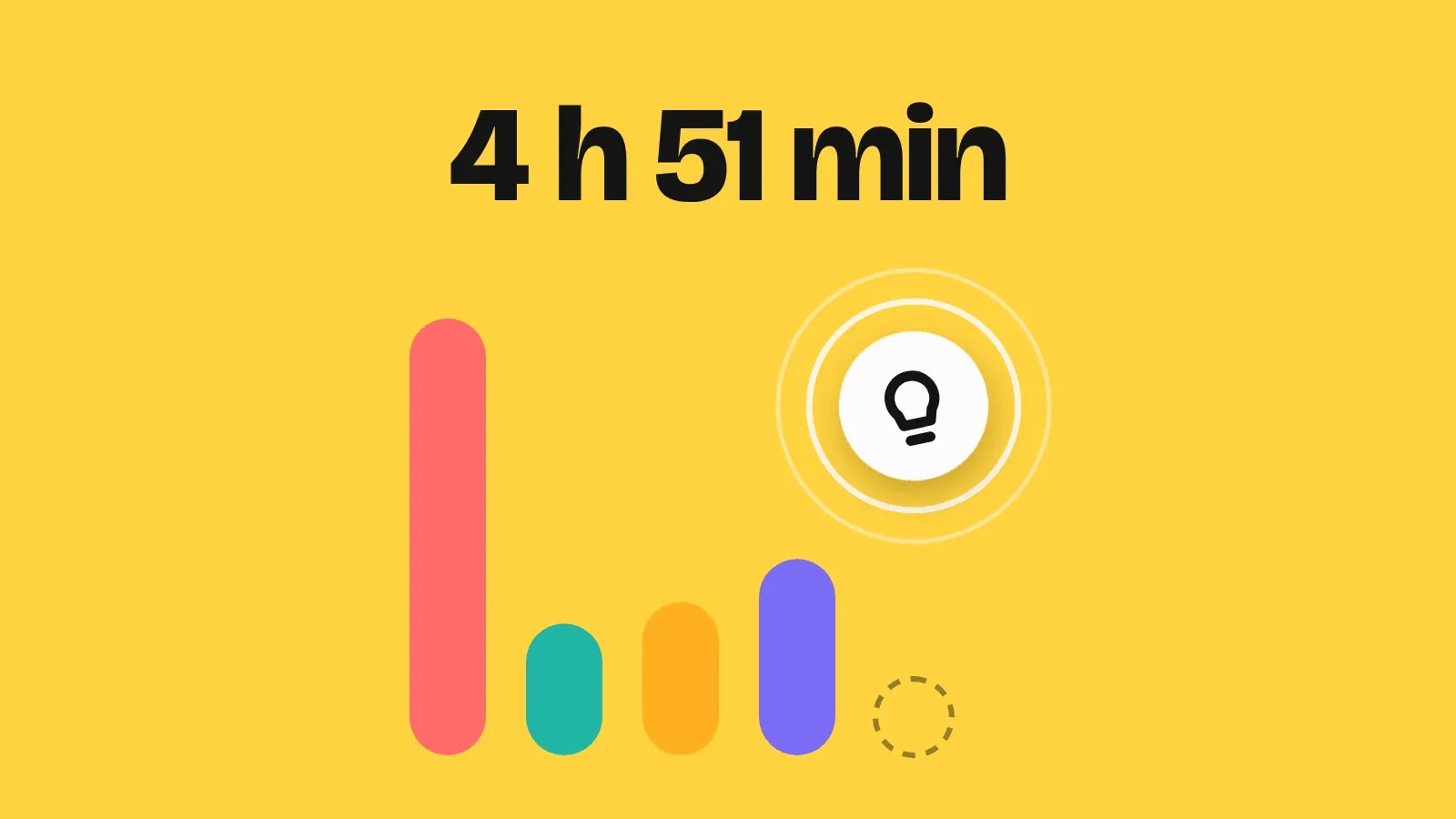
One player in Israel gave Plumb almost five hours, never pressed hint once, then uninstalled it. What the numbers showed, what I changed, and what I learned.
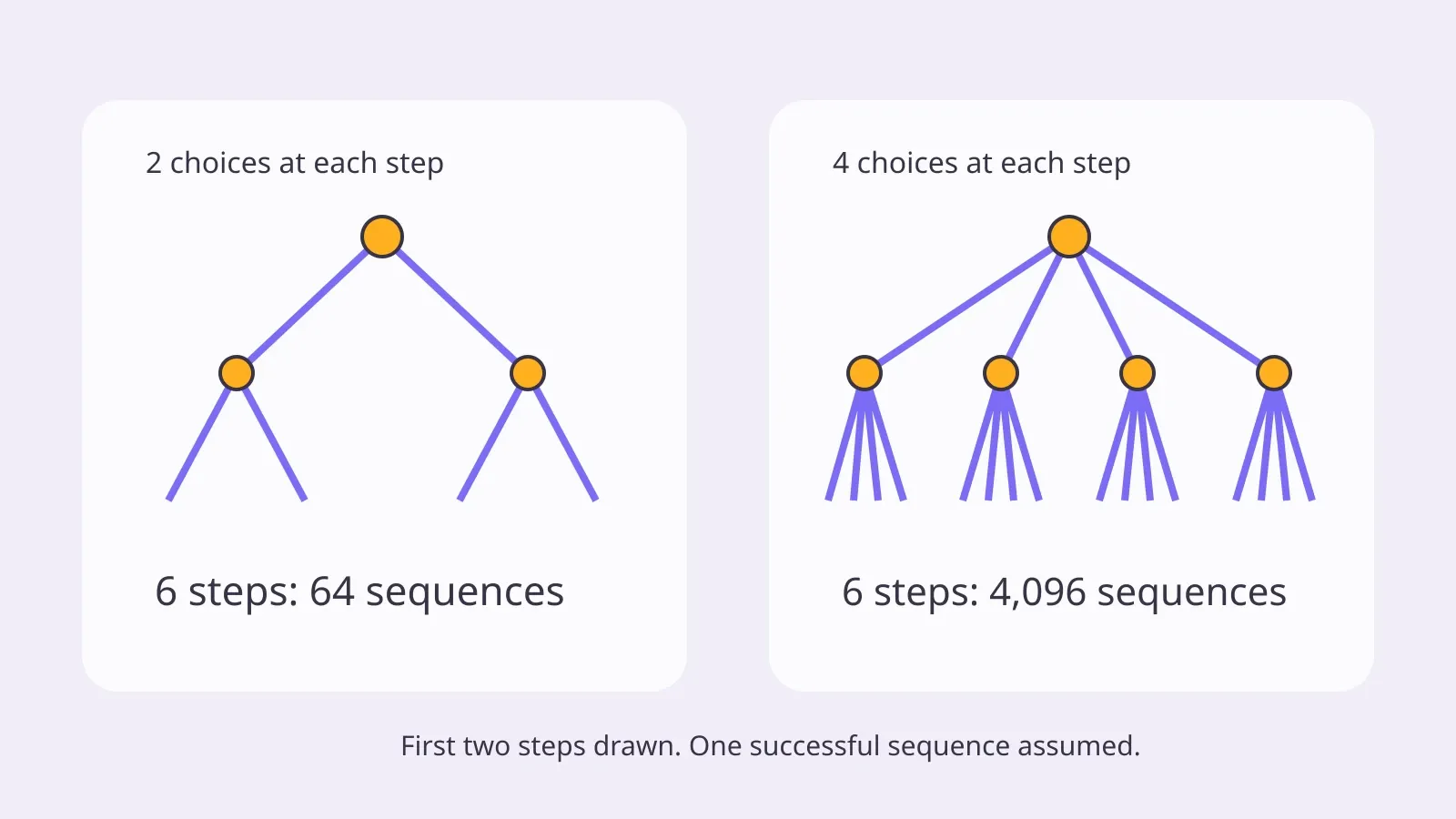
A short solution can hide among many choices. Compare route counts, calculate bits of surprise and see why a puzzle difficulty score still needs player feedback.
Plan a focused game playtest, write neutral tasks and turn observations into decisions. Includes a sample session plan and a guide to interpreting feedback.
Learn what a game prototype, vertical slice and demo should prove, with a small worked example and practical checks for choosing your next milestone.
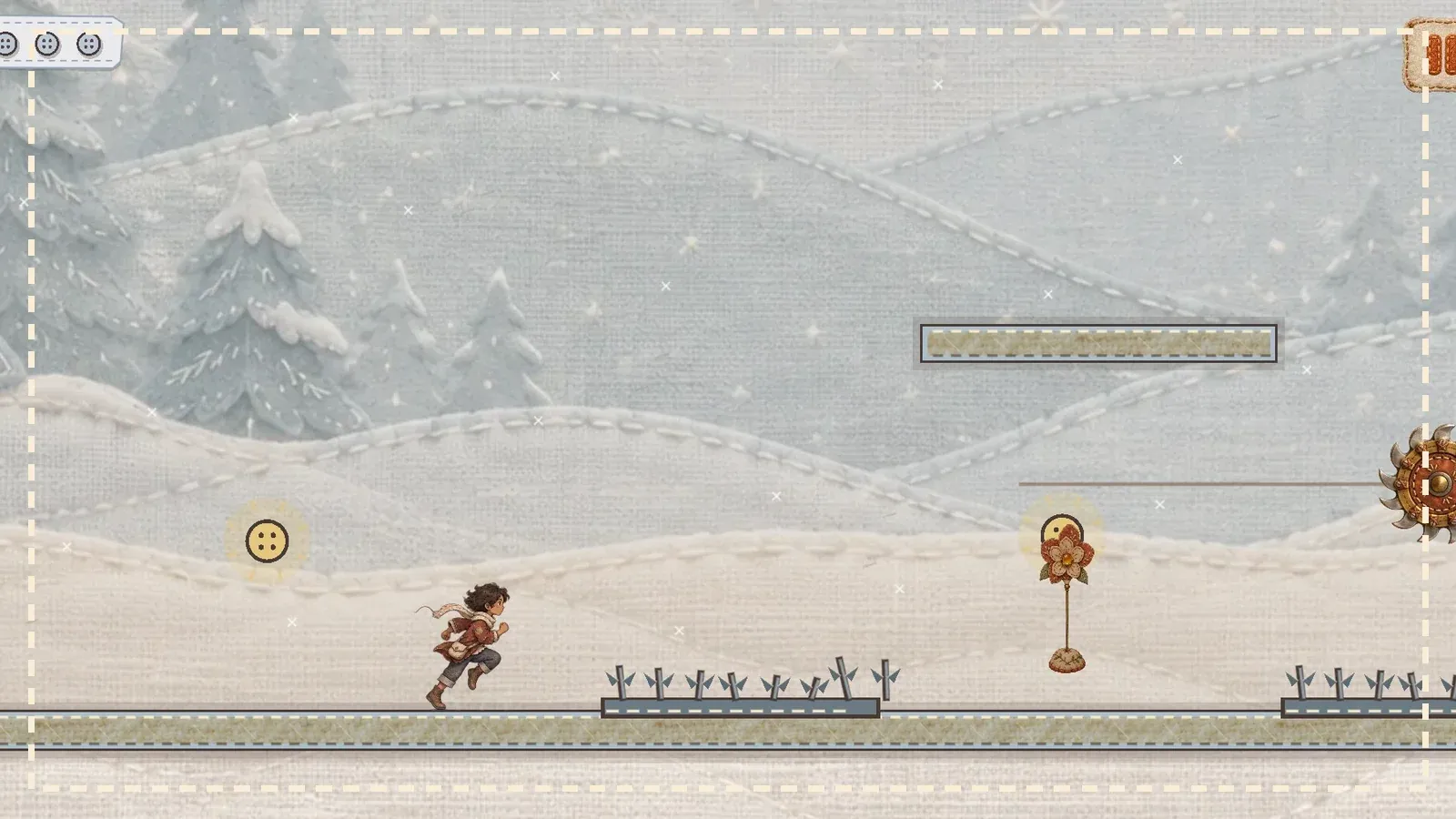
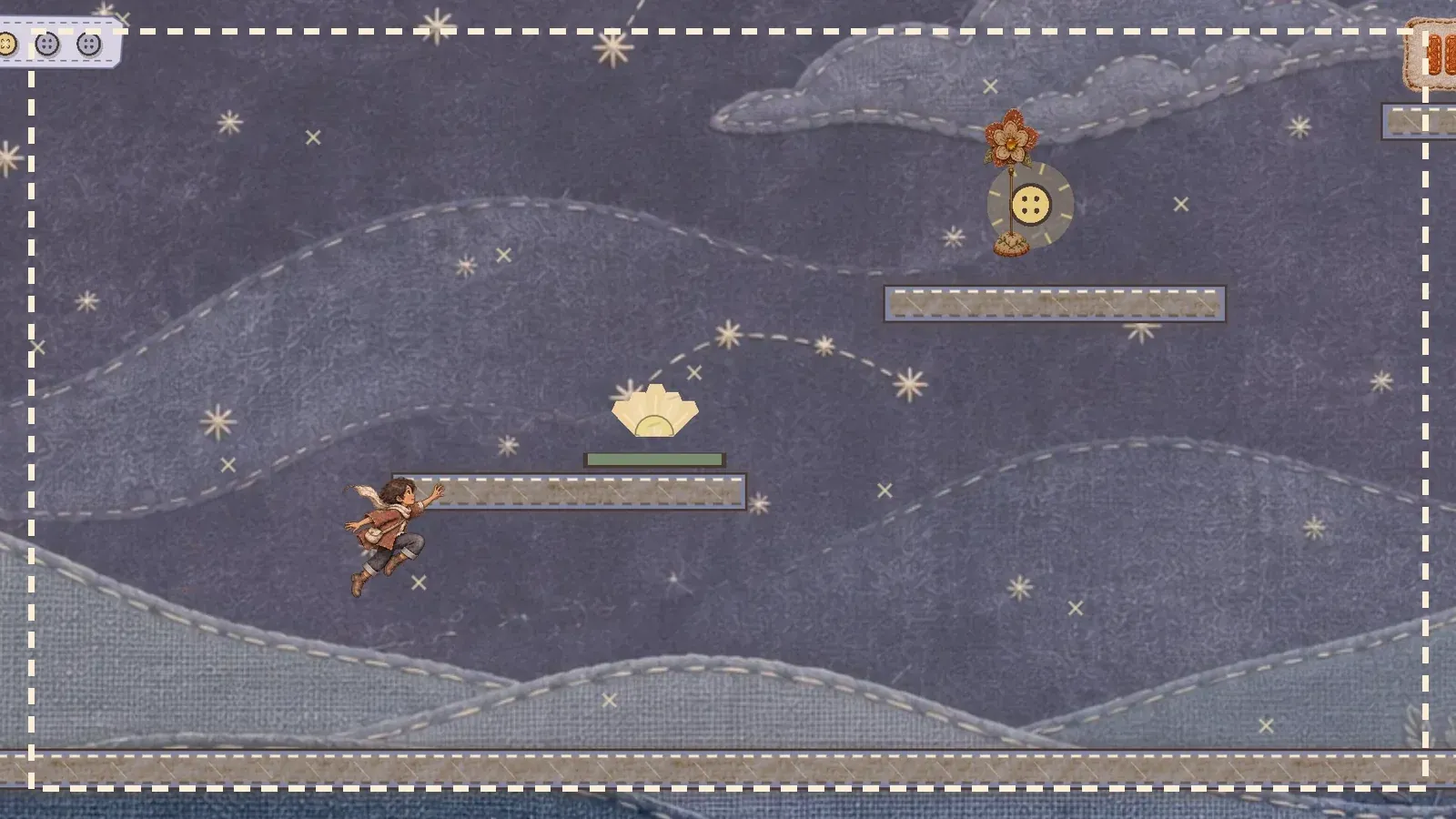
Stitchfall's traps surprise you without cheating you: each one shows its track first, winds up before it moves, and a hit costs only a few seconds.
Water, dunes, forest, night quilt, rain meadow and frost woodland: what each of Stitchfall's worlds does to the runner, with the real numbers behind every pull.
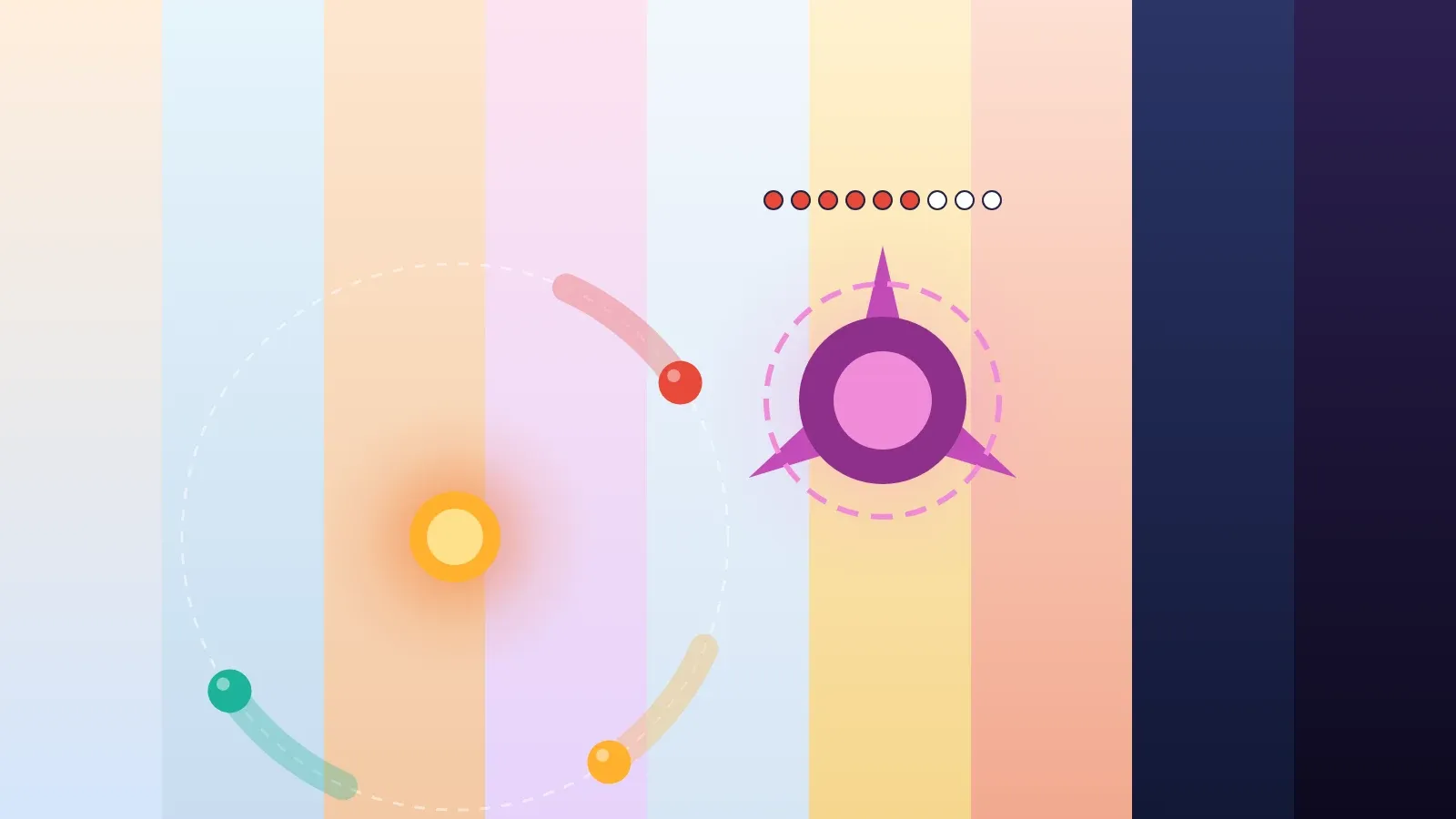
 Sunwise
Every Sunwise chapter brings one new thing to keep off your star, its own sky and a named boss at the end. Meet Old Grey, The Lighthouse and the rest.
 Rinse
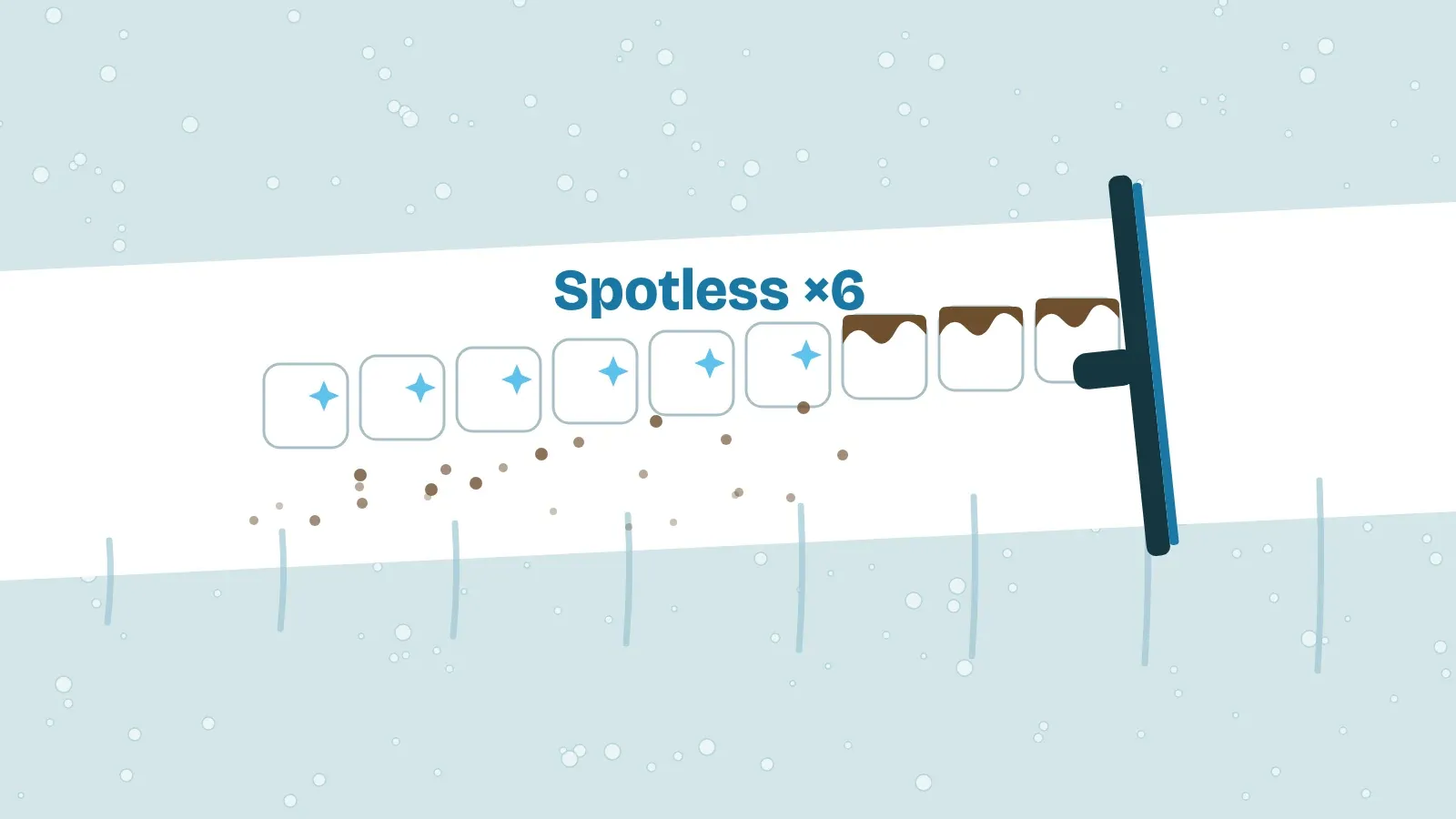
Why every screen in Rinse sits behind wet glass, why screens change with a squeegee wipe, and how a Spotless count and a rising note make washing satisfying.
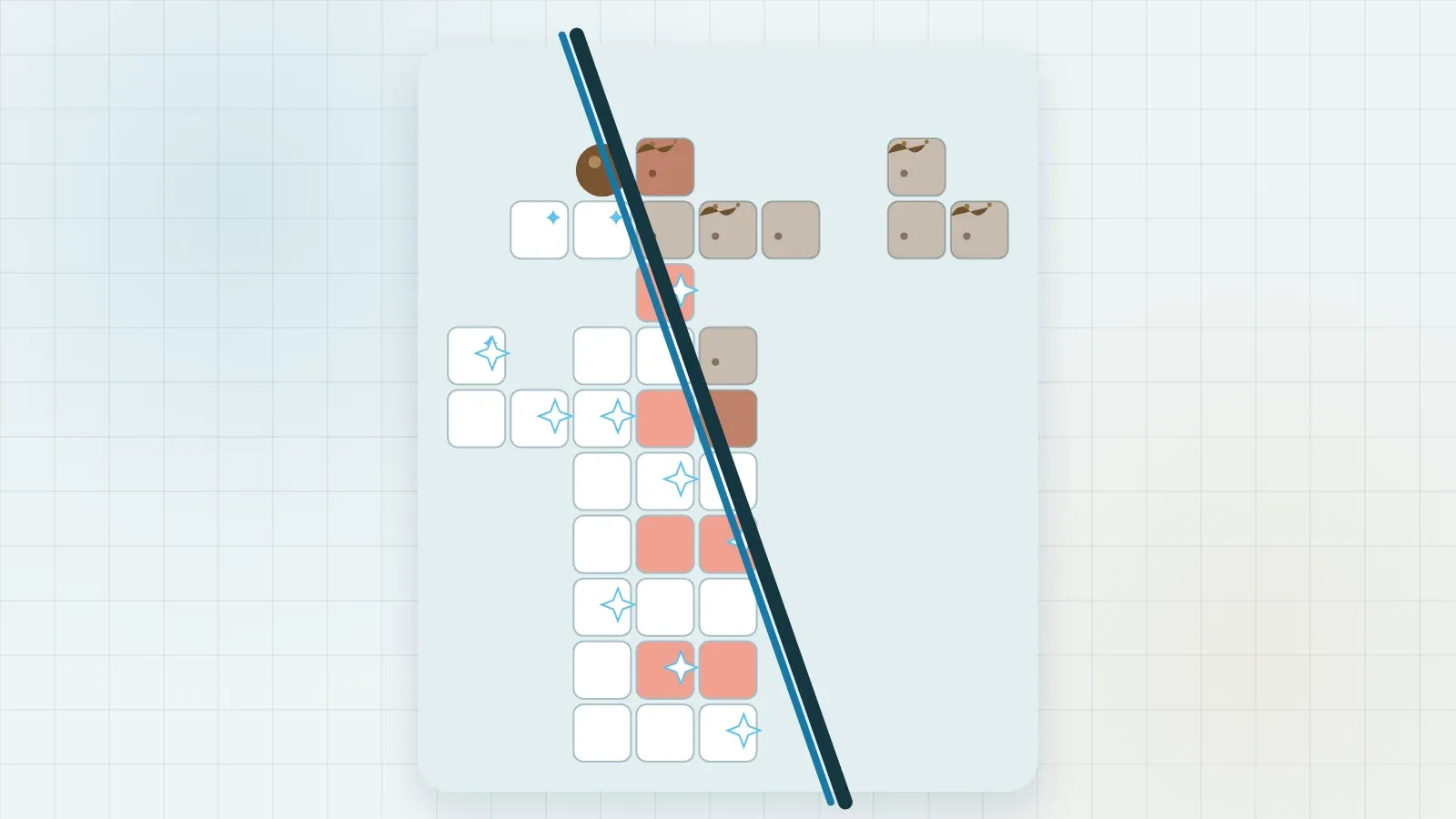
RinseEvery Rinse level is one grimy thing to wash, from a patio slab to a rocket. How the things are built from shapes, painted, and put in an order that only gets harder.
 Hako
What waits inside Hako's boxes: a treasure at the end of every chapter, a shelf to fill, woods and lacquers for every box, and the story of the new lacquer logo.
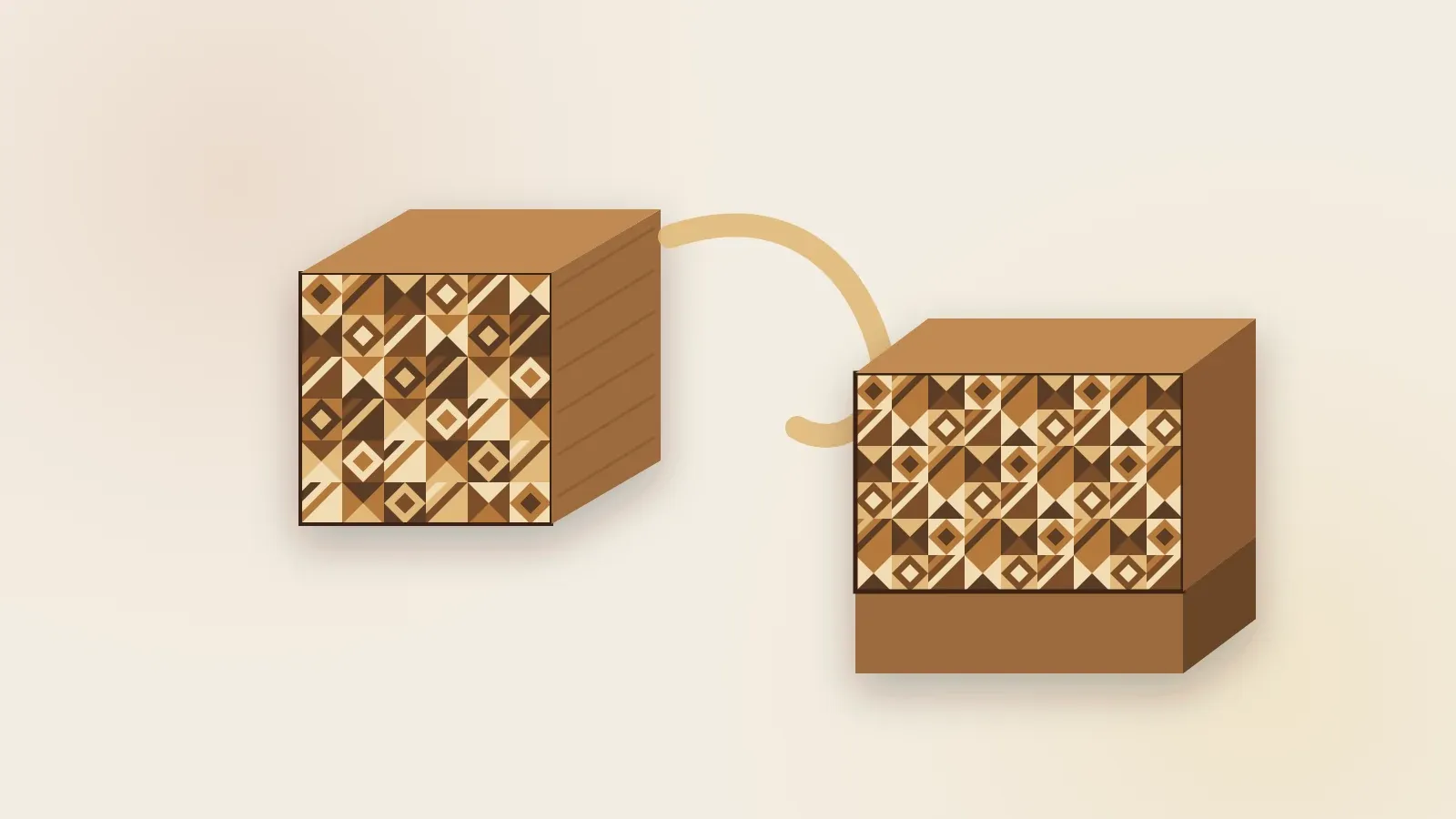
HakoHako comes from the secret boxes of Hakone, wrapped in yosegi wood mosaic. What I borrowed from that craft, and how every box got a name, a maker and a story.
 Seiche
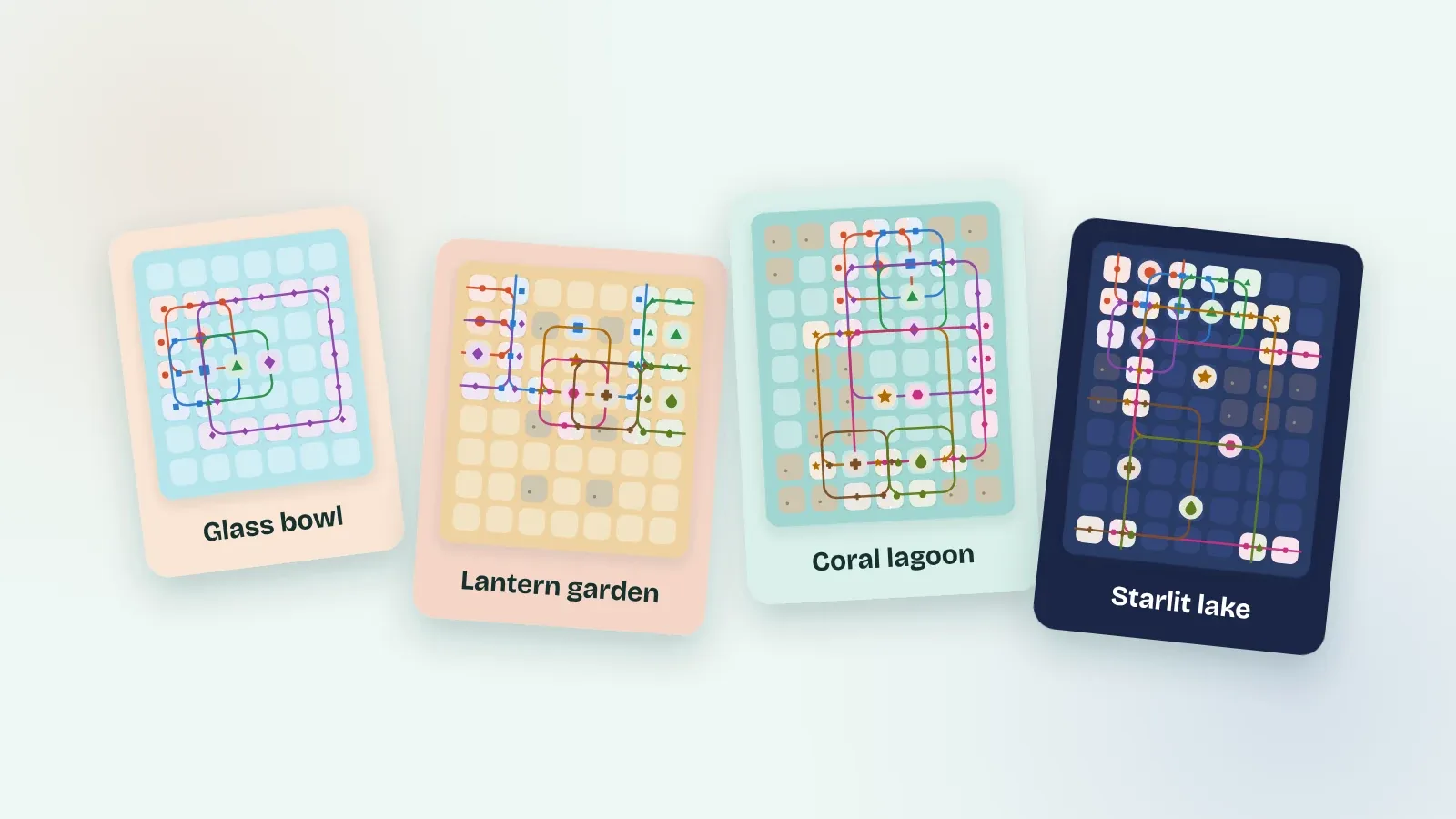
Every Seiche pond is somewhere: a glass bowl at dawn, a koi garden in the rain, a frozen lake at dusk. How the places, the fish and the looks you collect came together.
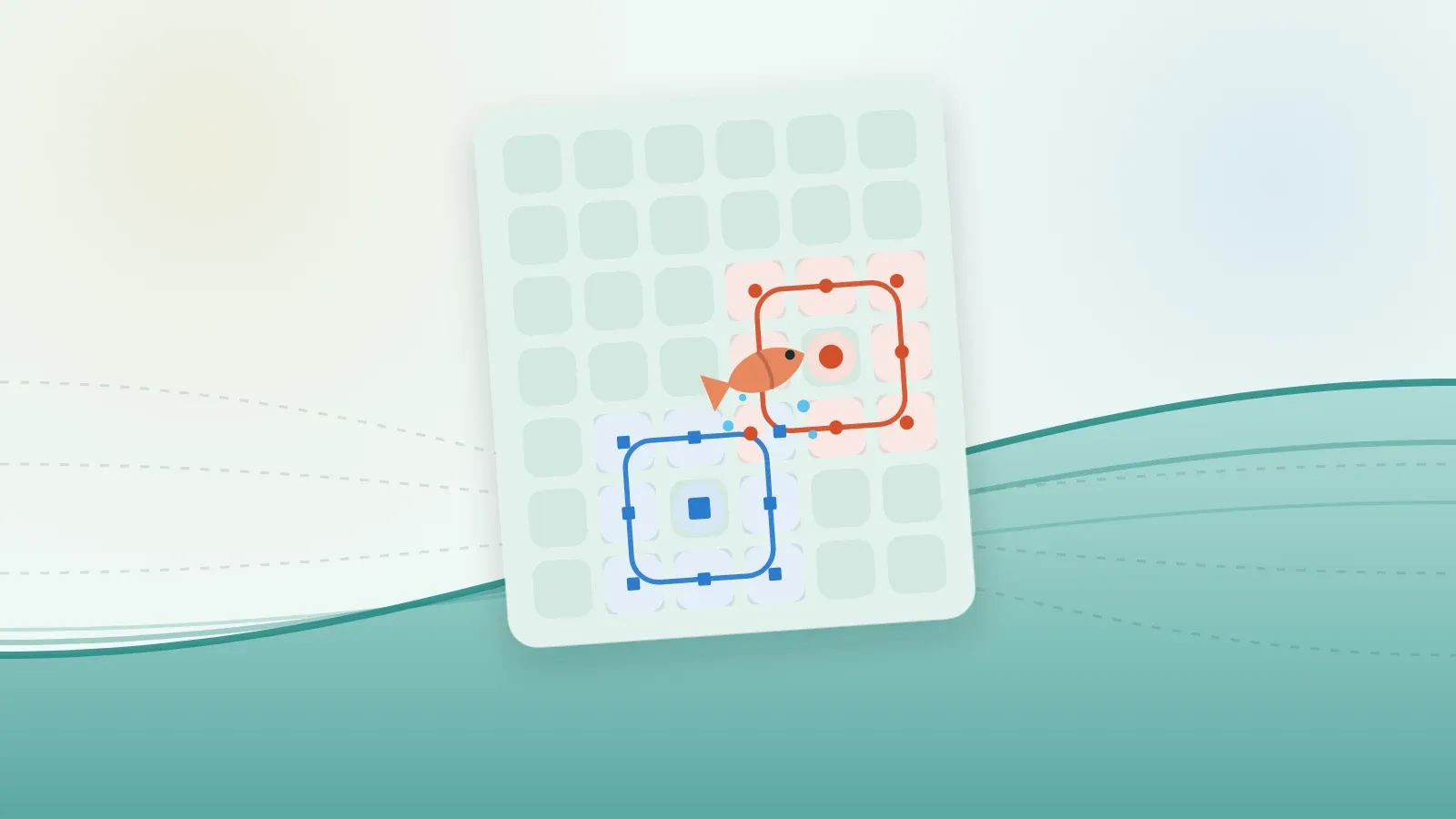
SeicheA seiche is one slow wave that rocks a whole lake. How that word became the name of a calm ring puzzle, why its rings are square, and why the board has no numbers.
 Pyxis
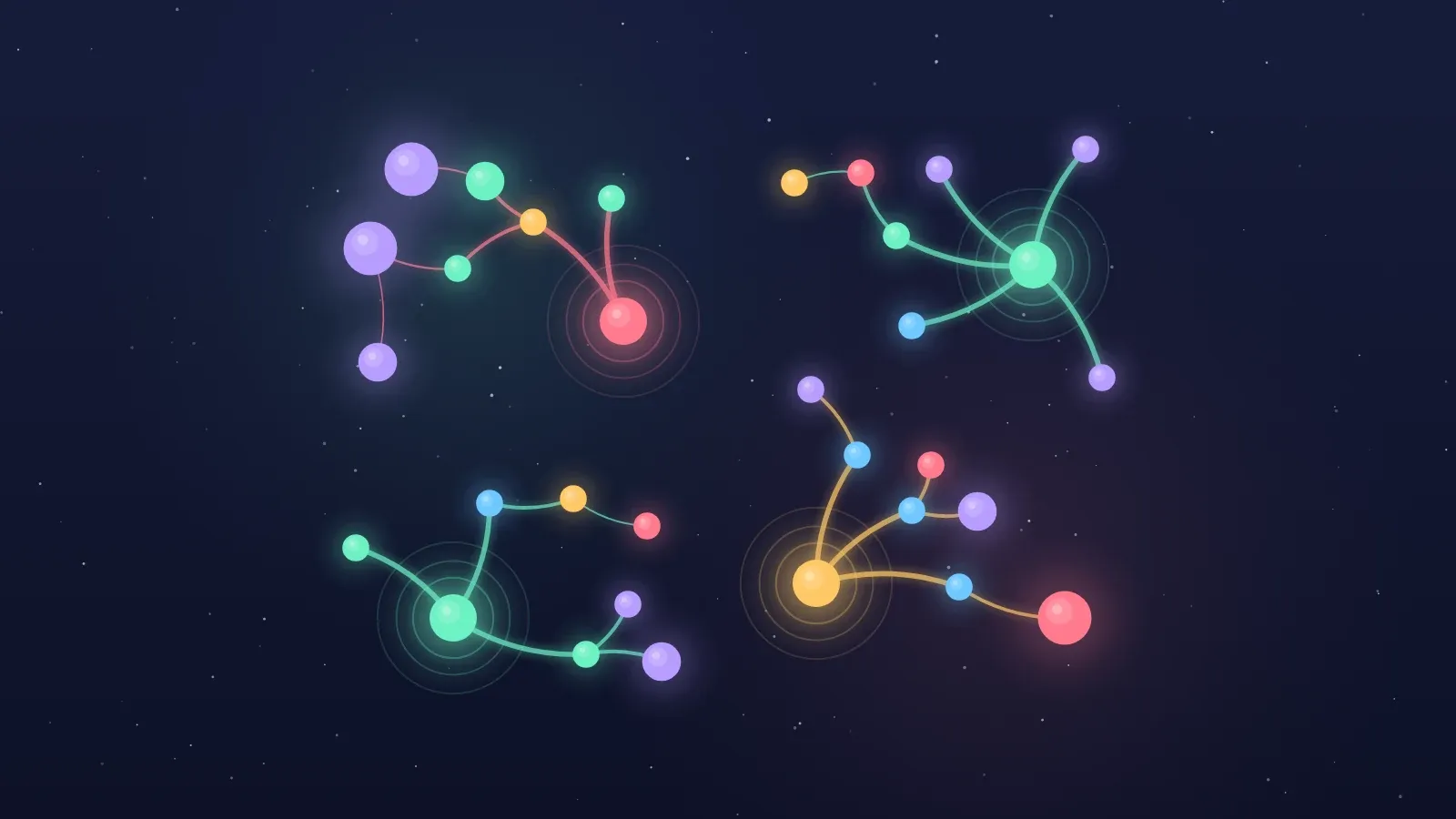
Knots on springs, strands that bow and settle, crossings that snap apart: the small physics that makes a Pyxis web feel like thread, not lines on a screen.
No timers, no lives, no energy and no ad in the middle of a puzzle. How Plumb, Carillon and Apsis leave you room to think, and where the ads do go.
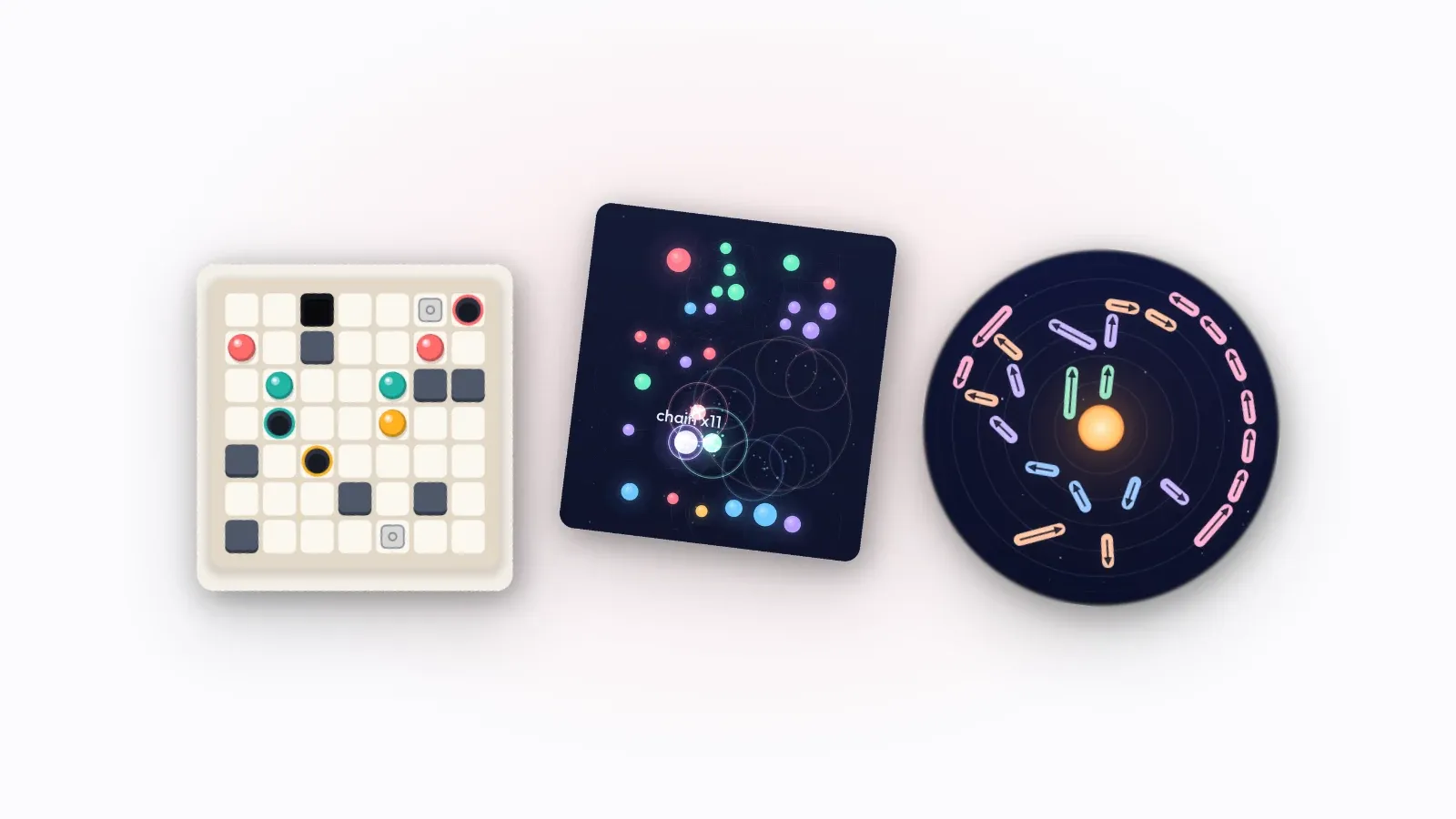
Plumb, Carillon and Apsis all follow one rule: a program makes every level and another proves it. Here is how each game does it, and why it matters.
PlumbHow Plumb's levels are made: random boards, a solver that sets the goal, a test that each chapter's rule matters, and a pass that strips tiles the best route never needs.
 Carillon
How Carillon grows each field from roots, dresses it with its chapter's rule, proves the goal with a solver, measures difficulty in bits and turns away repeats.
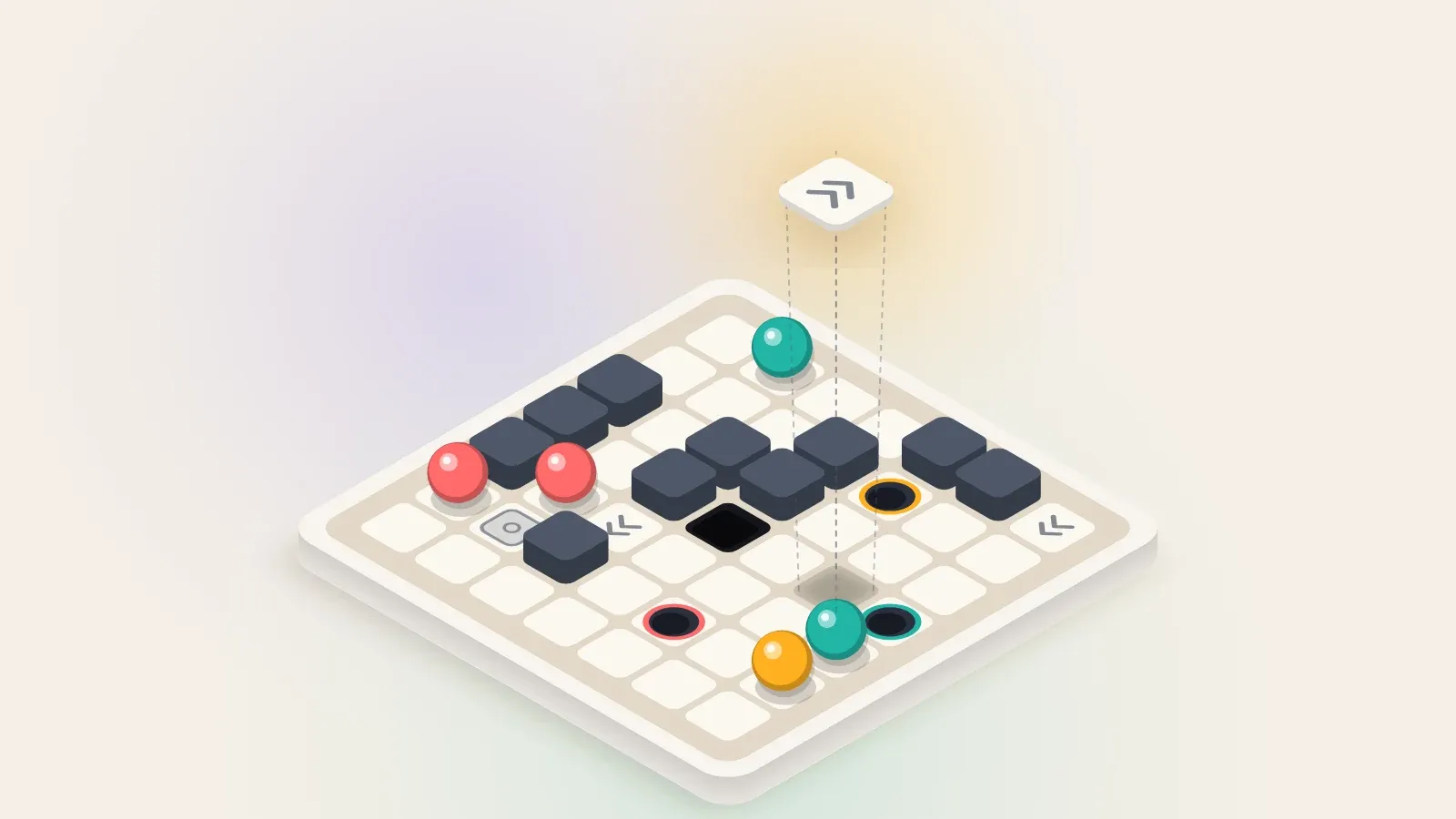
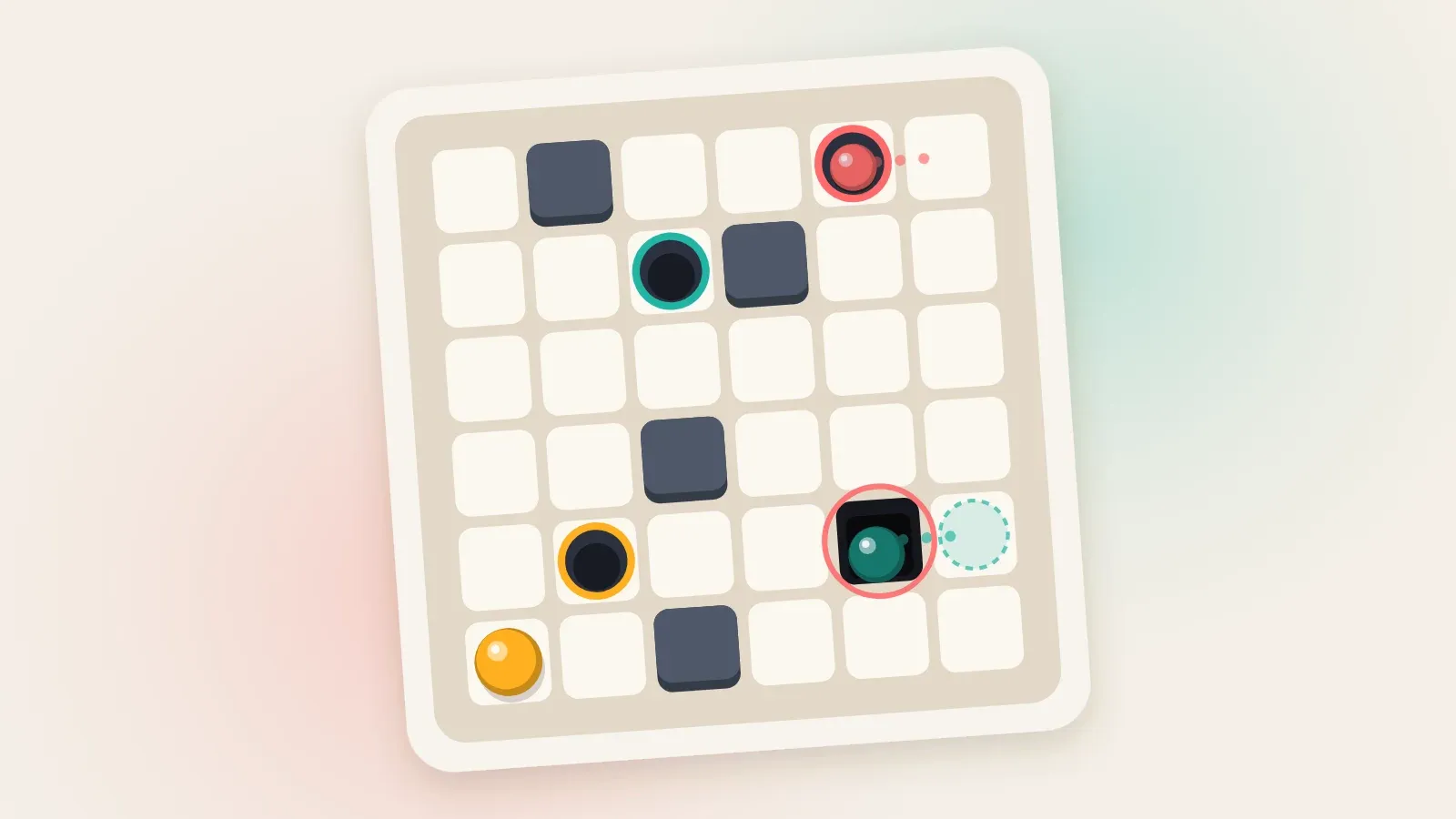
PlumbHow Plumb's square pits work, what Undo and Restart give back, and how to use them to explore a board, since a mistake costs one tap and nothing else.
 Apsis
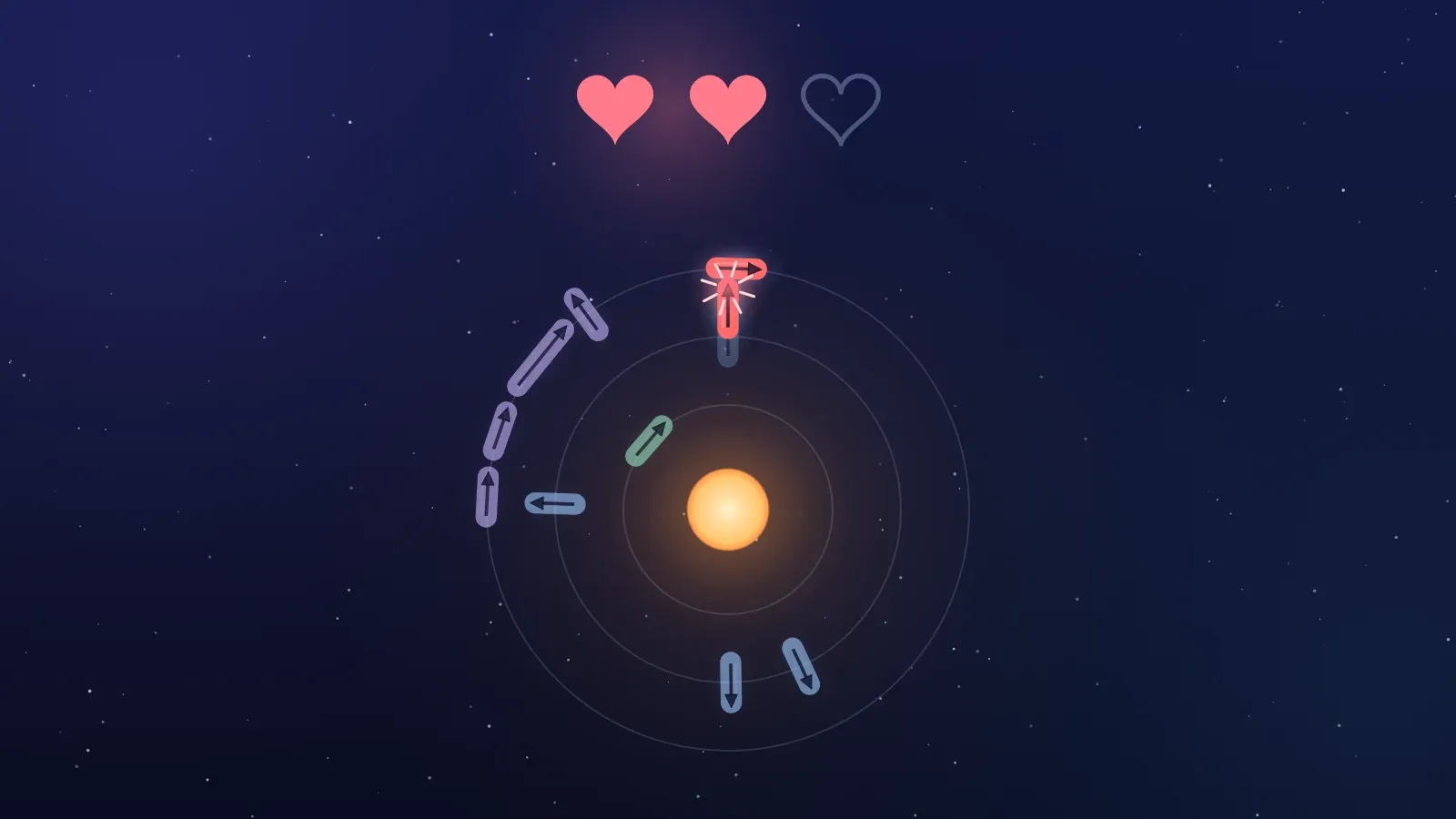
Apsis never counts your taps. It counts misses: how three hearts become stars, what a miss costs, the hearts a level means you to spend, and retrying.
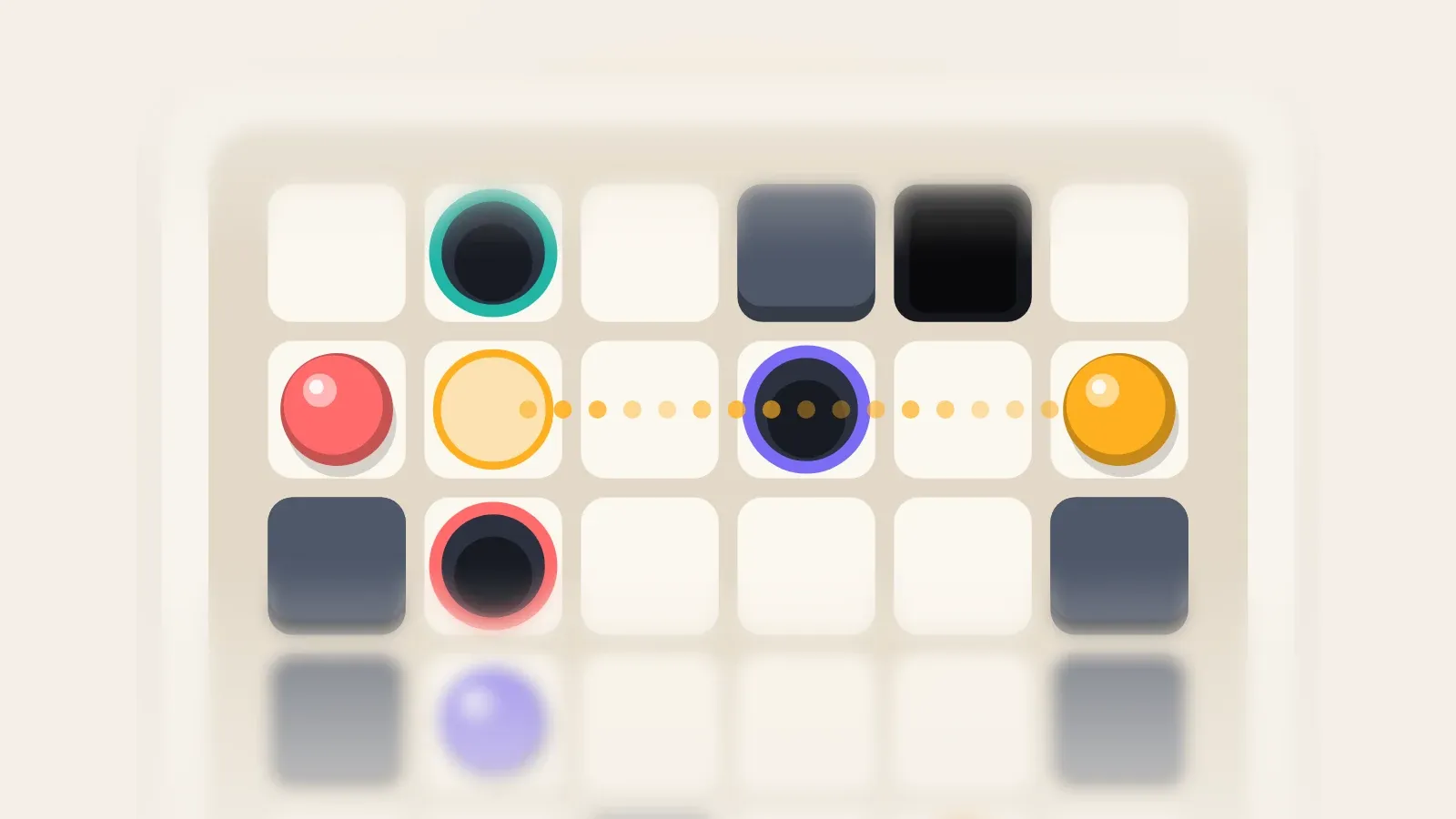
PlumbPlumb's hint draws your best next tilt on the board with trails, ghost marbles and rings. What each mark means, how the solver picks it, and how to learn from it.