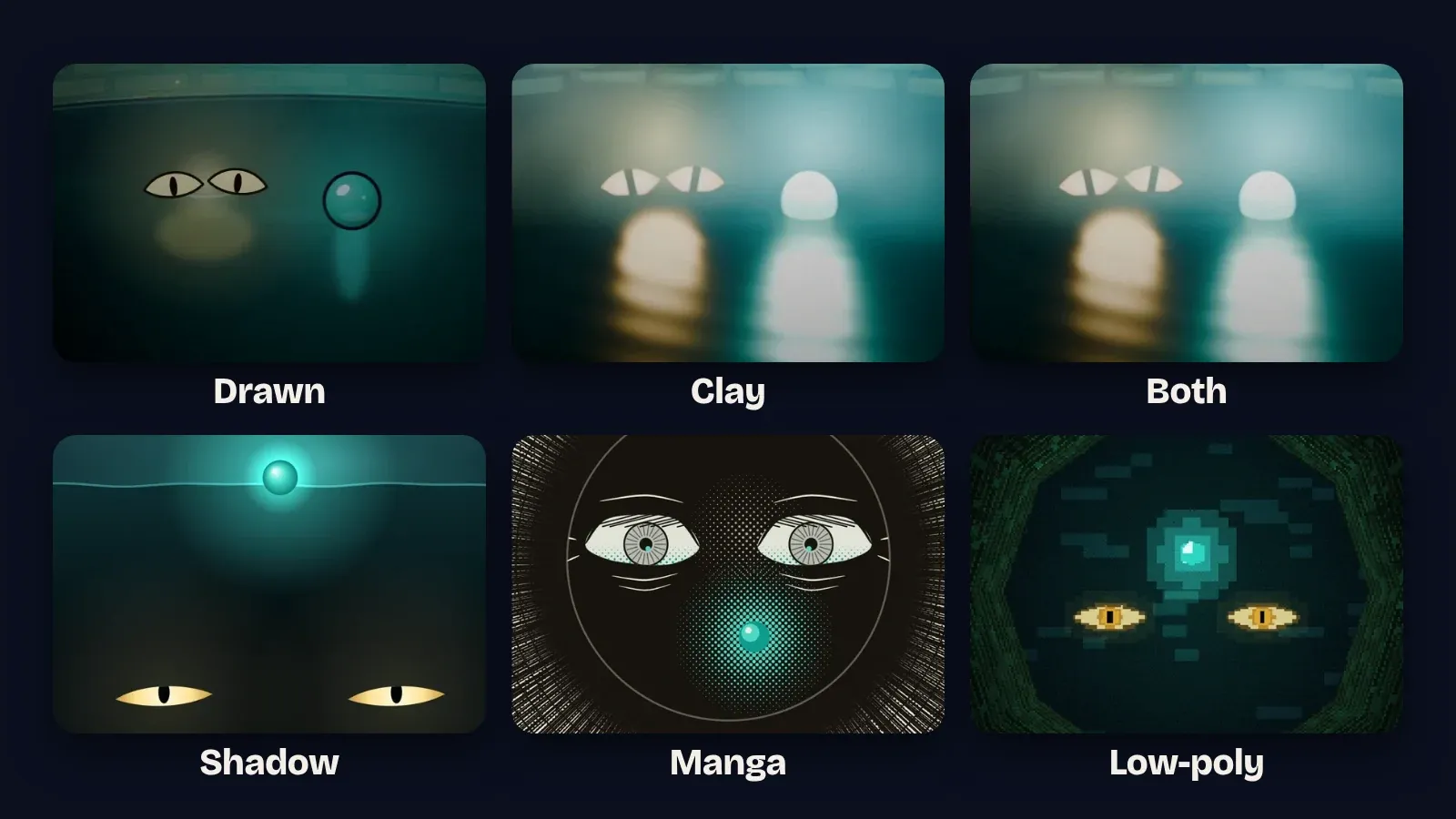
2D, clay 3D or shadow puppets? One horror scene made six ways
To pick a look for our horror reels we made the same 8-second scare six ways, from 2D and clay 3D to manga and shadow puppets. Why the cleanest one won.
40 posts
To pick a look for our horror reels we made the same 8-second scare six ways, from 2D and clay 3D to manga and shadow puppets. Why the cleanest one won.
Our two short films took one laptop all night. Then our reels moved from Blender to three.js, then to cloud GPUs on Modal, all inside $30 of free credit a month.
How our marble music machine videos are made: one marble falls through glass, kalimba tines, bells and tiles, and every hit is a note of Für Elise, on its frame.
Our finished reels and films now go to a private Telegram group. One connection was far too slow, so each file goes up in parts over eight at once.
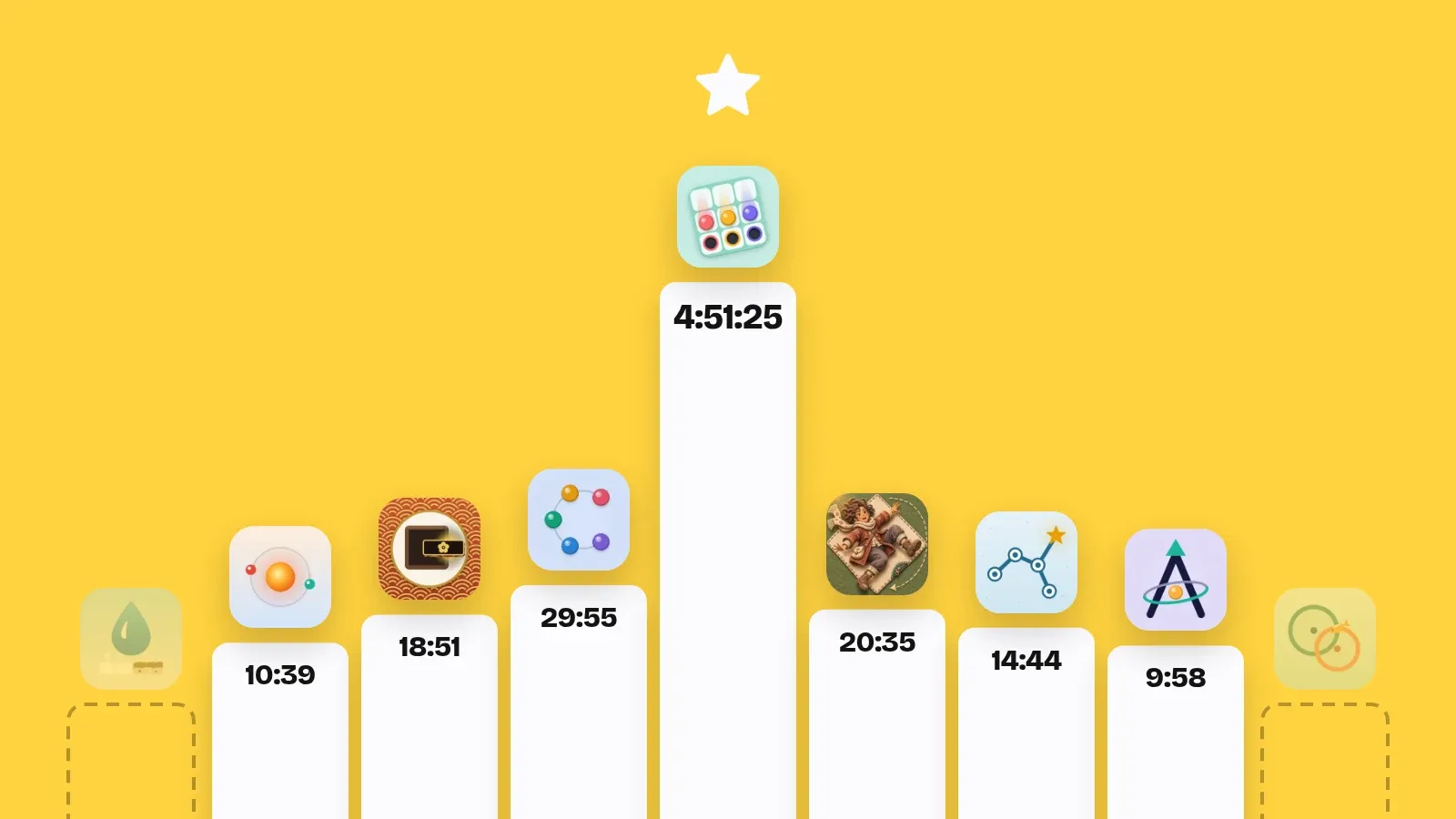
In five of my nine games, one person has played more than everyone else together. Meet the record holders, and what each record taught me about its game.
People in 22 countries played my games in four weeks. Where they are, what each country plays, when they play, and what the map is telling me.
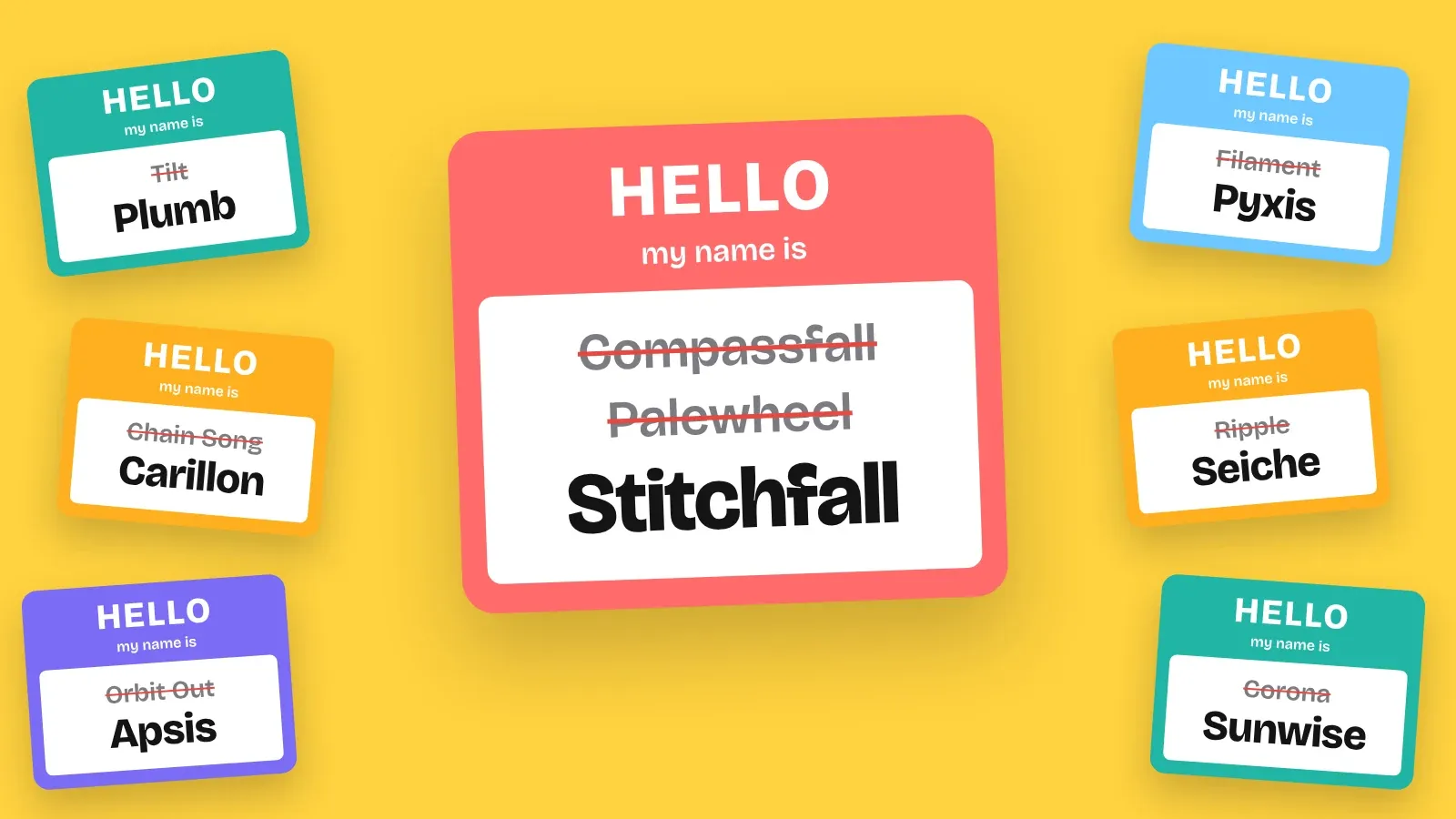
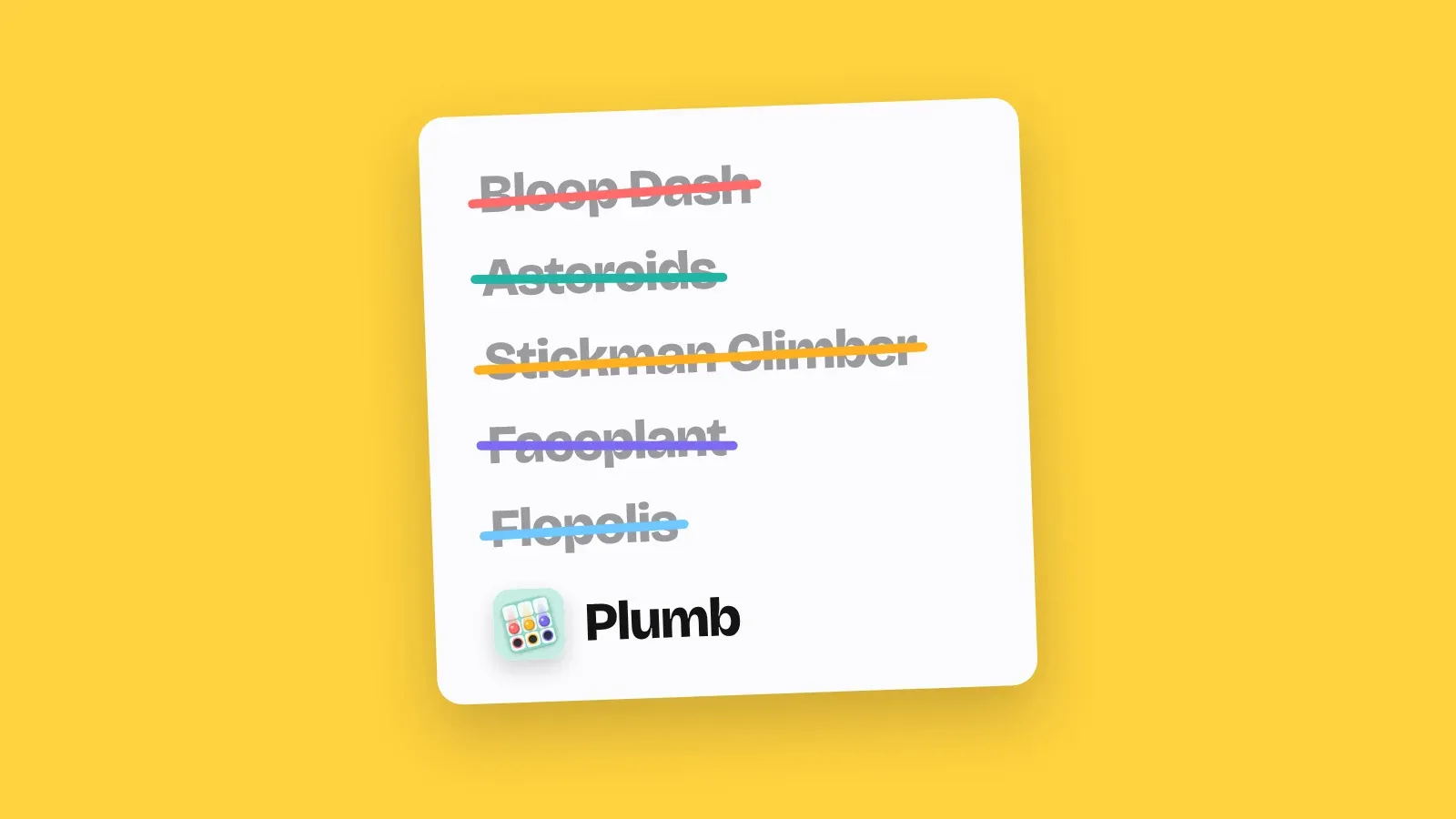
Seven of my nine games got a new name before Google Play ever saw them, and one had three names in four days. Every rename, the real reason, and how I check a name now.
Before my nine games, I spent a summer on five I never finished. What each looked like, the moment it died, and what I would tell you about your fifth.
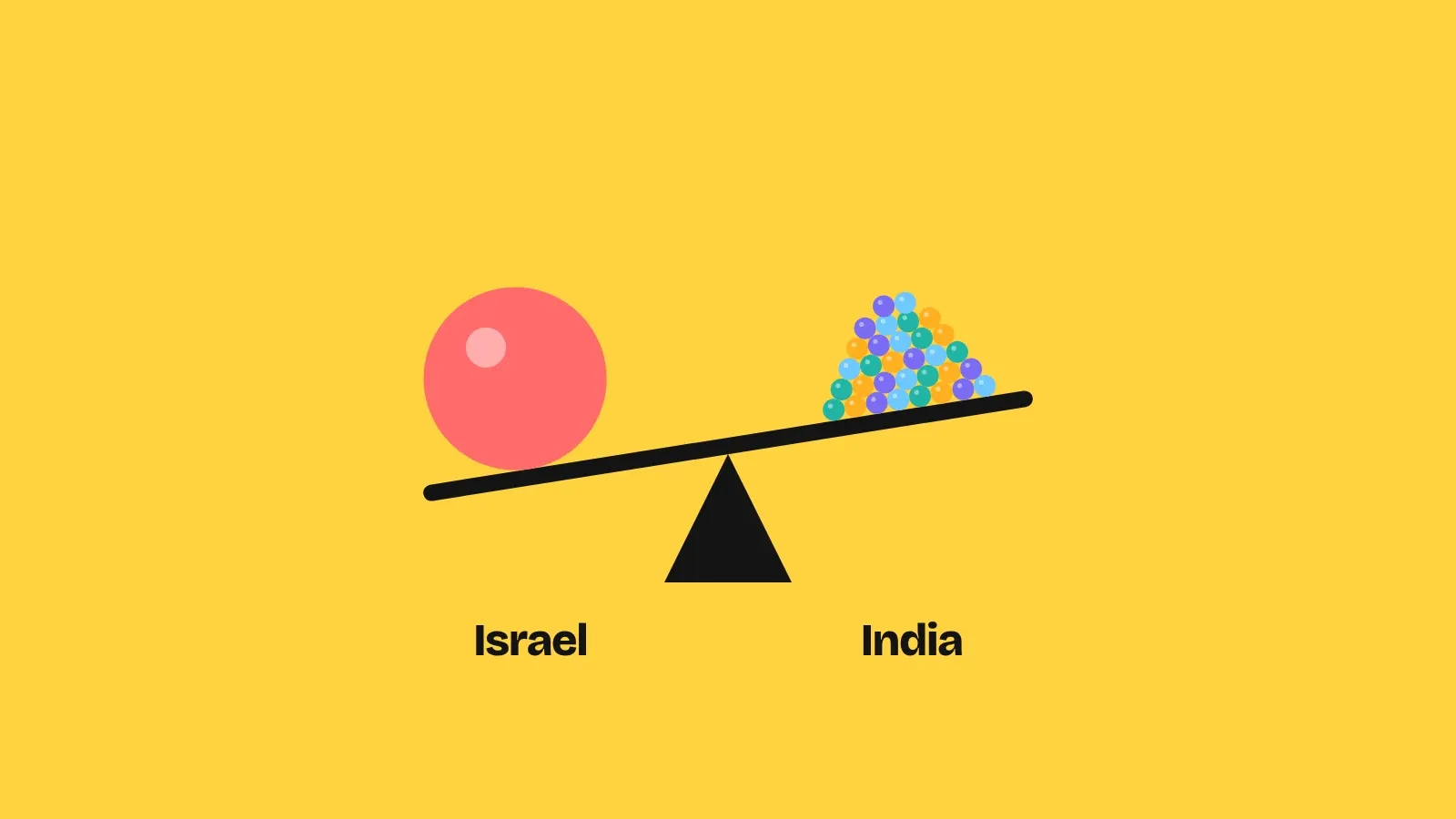
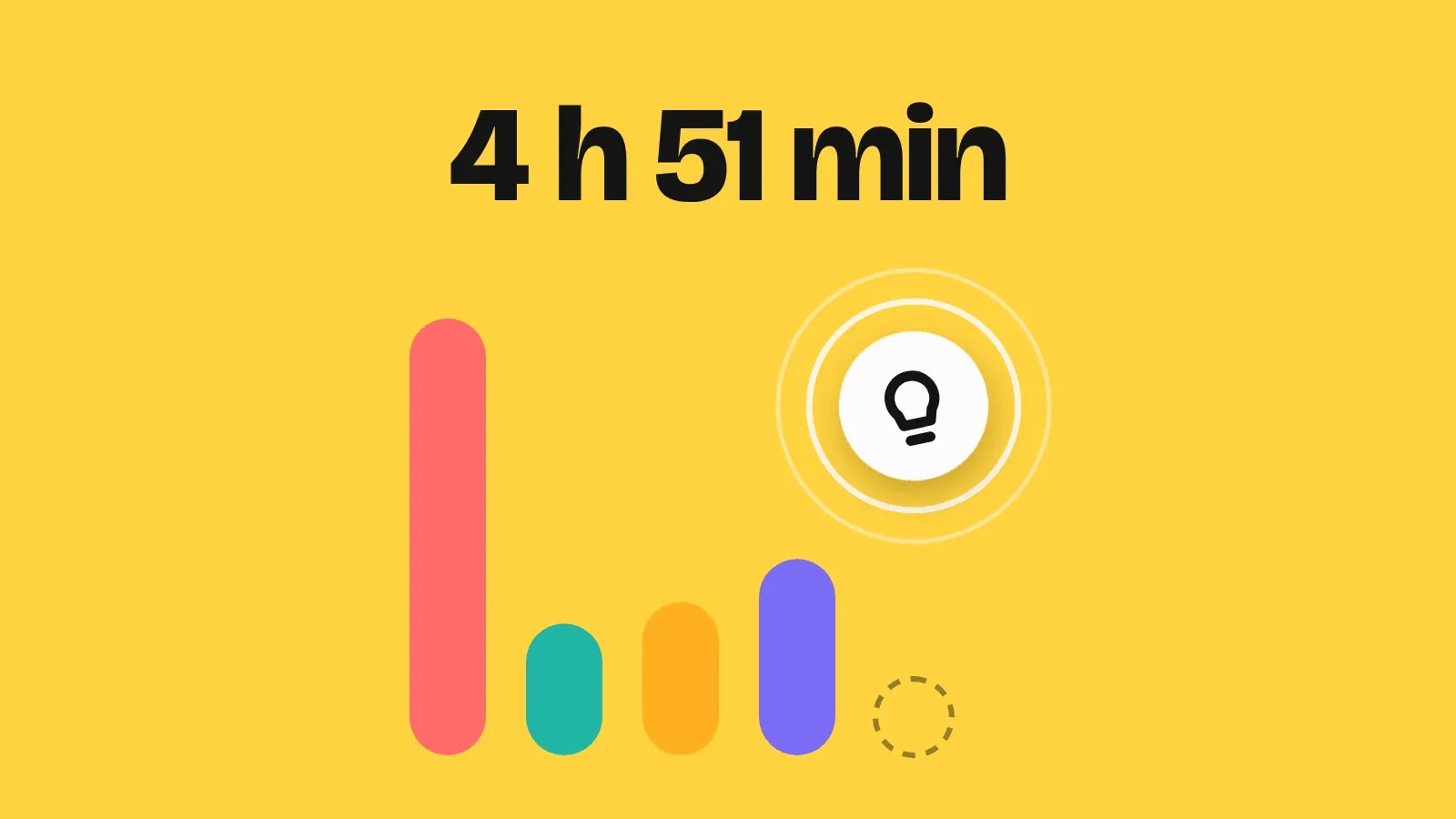
One player in Israel gave Plumb almost five hours, never pressed hint once, then uninstalled it. What the numbers showed, what I changed, and what I learned.
I made Plumb in two days. Getting it to everyone on Google Play took twenty. The 12 testers, the 14 days and every form, with the real dates.
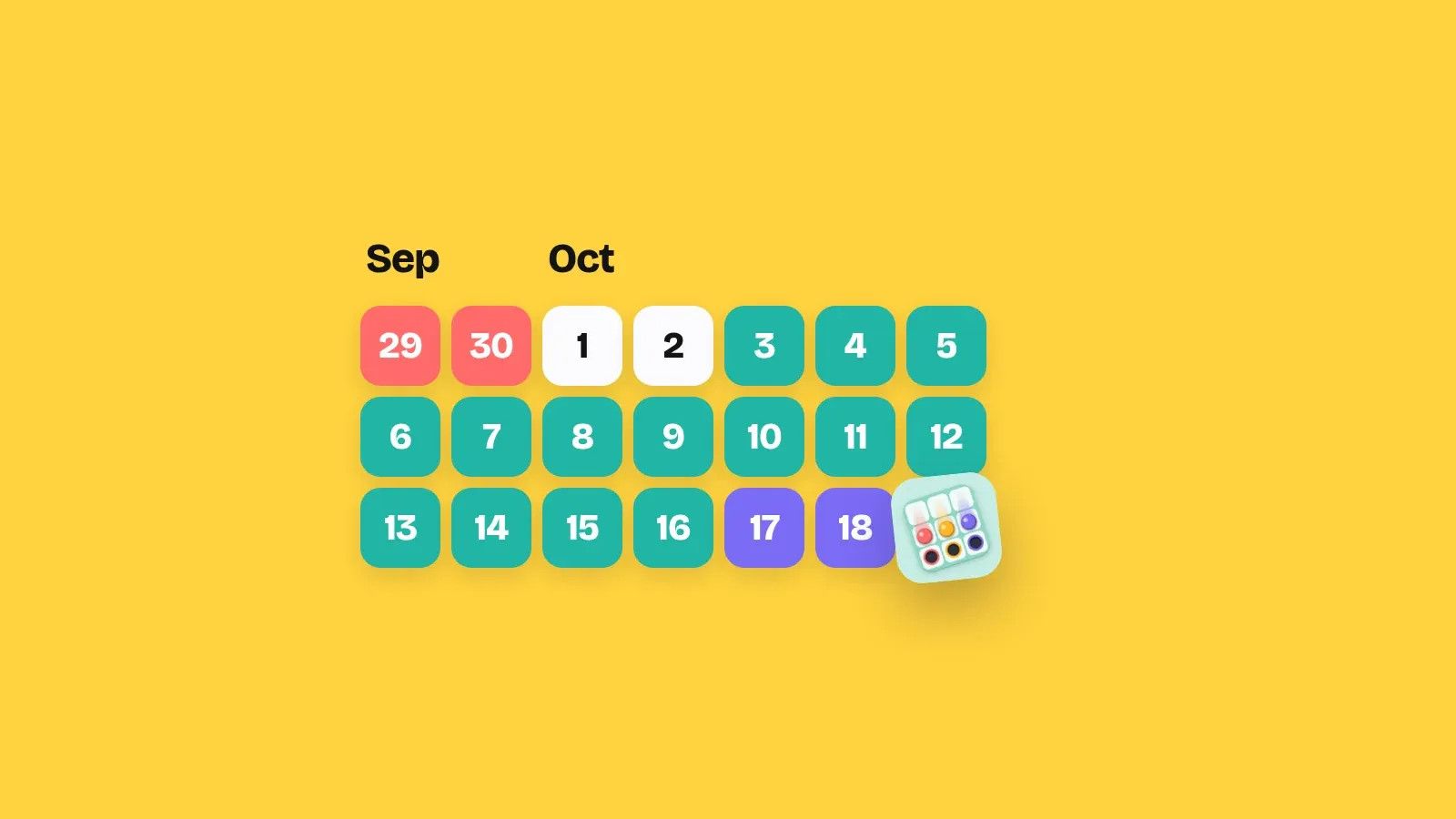
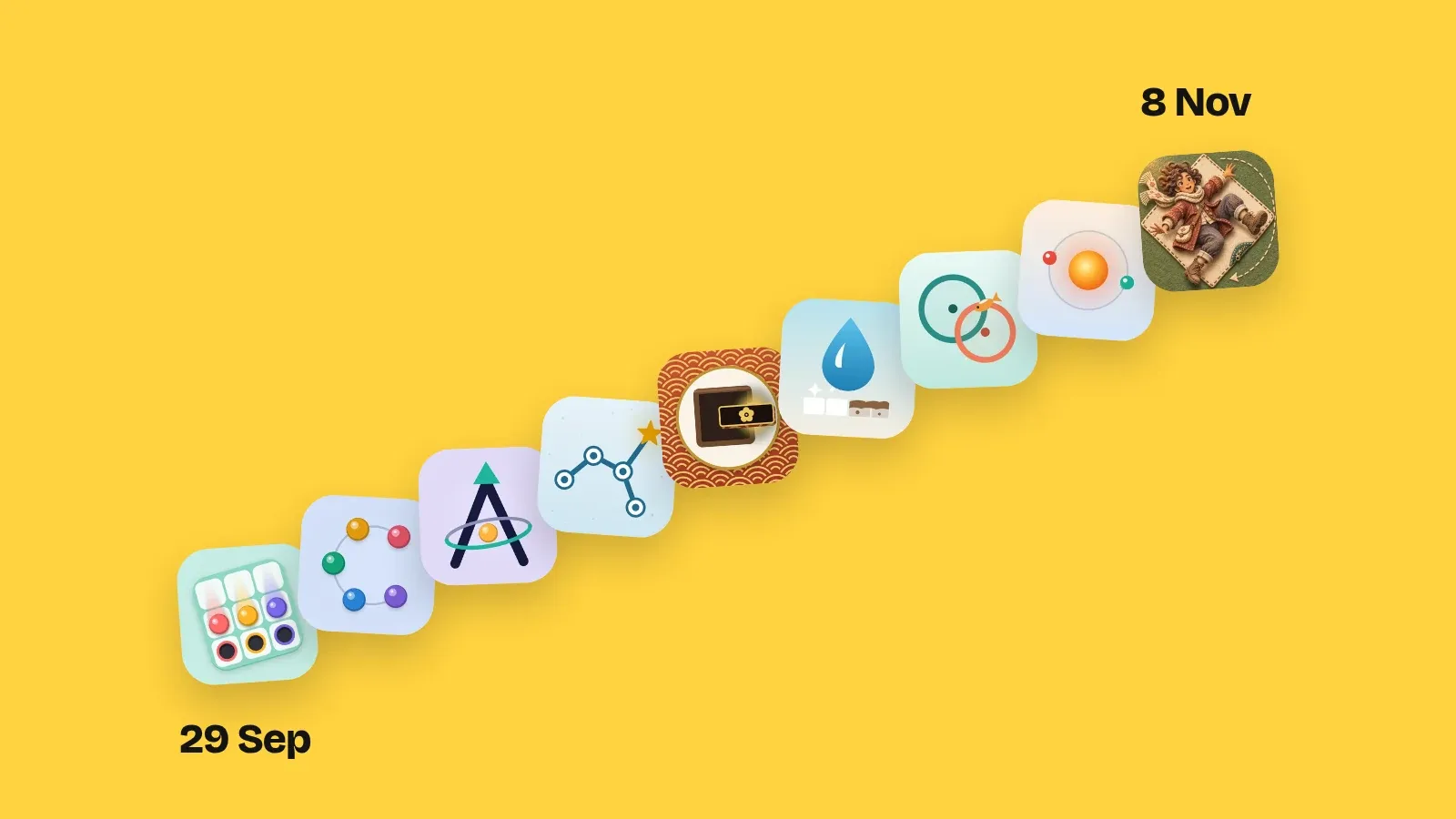
From 29 September to 8 November I made nine small games for Android. The exact timeline, the nights, what broke, and the part I did not do myself.
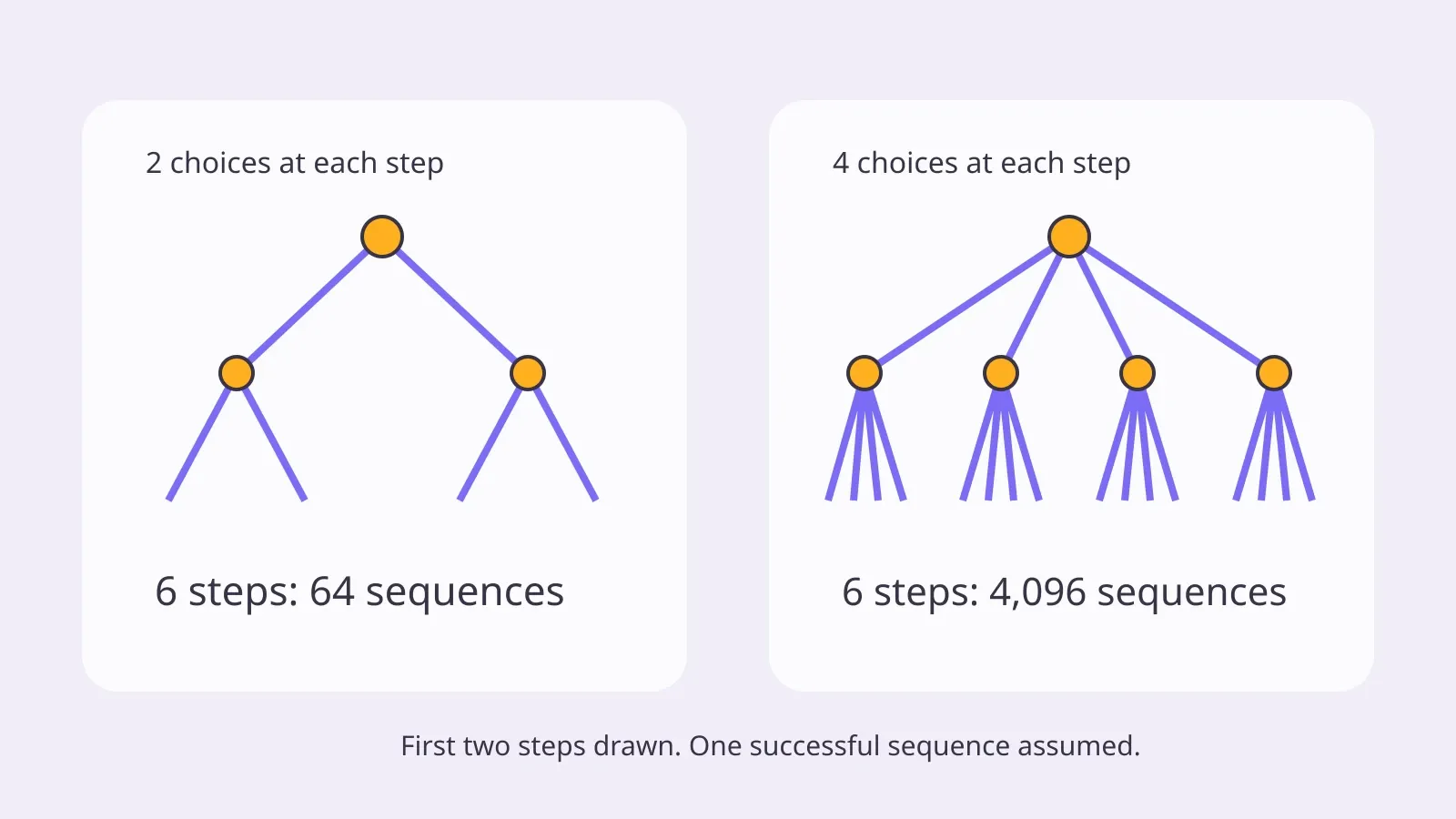
A short solution can hide among many choices. Compare route counts, calculate bits of surprise and see why a puzzle difficulty score still needs player feedback.
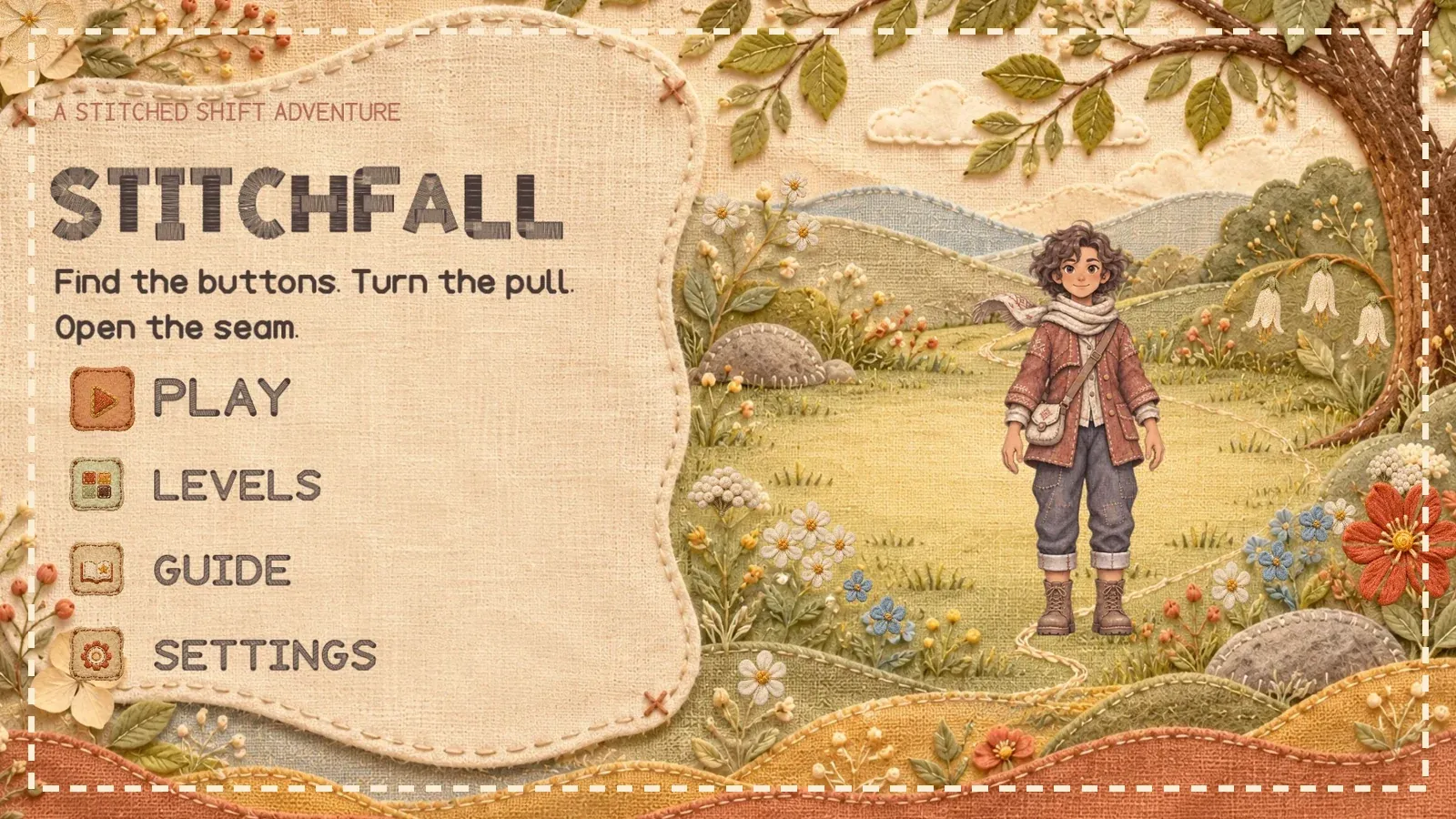
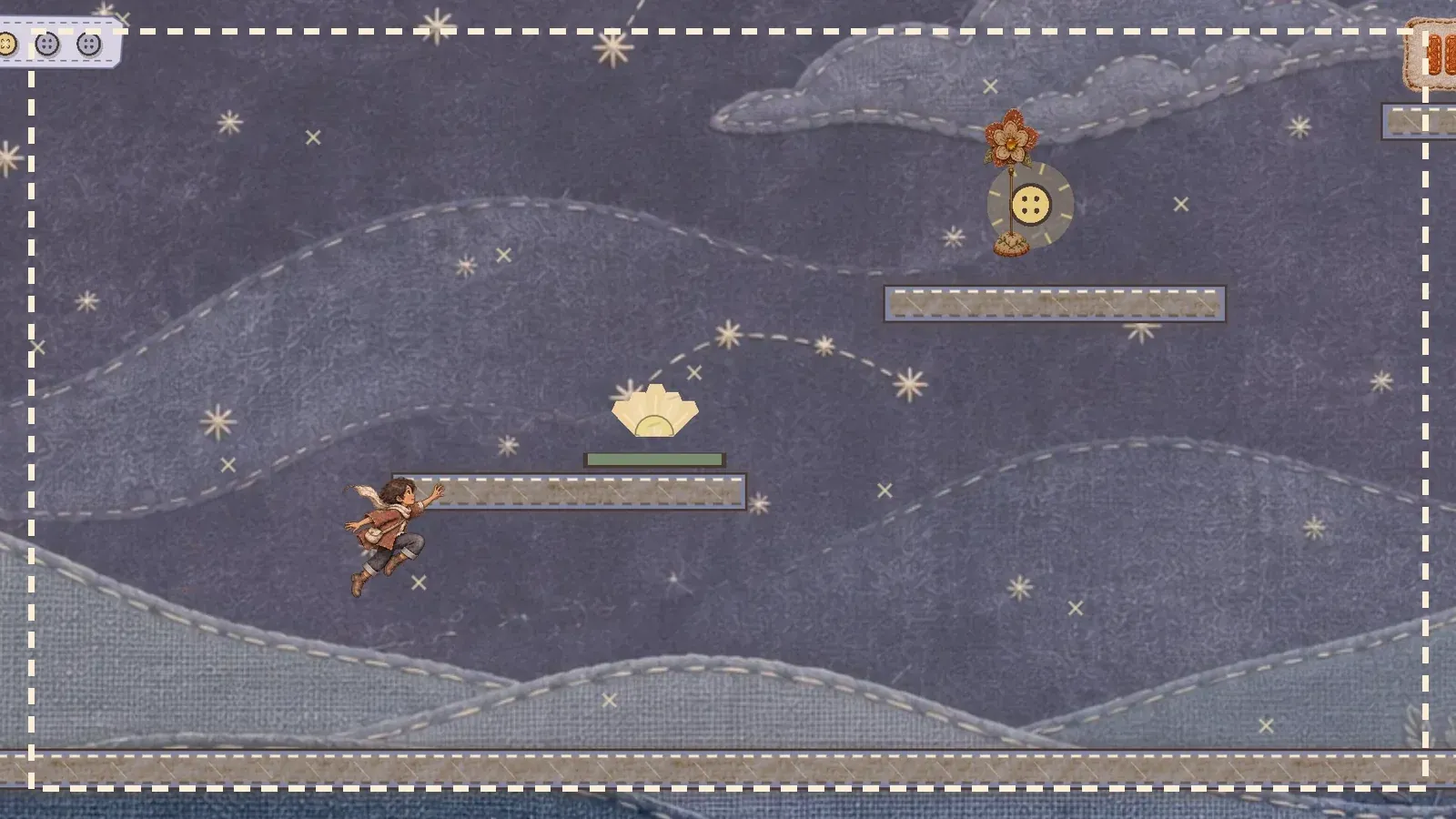
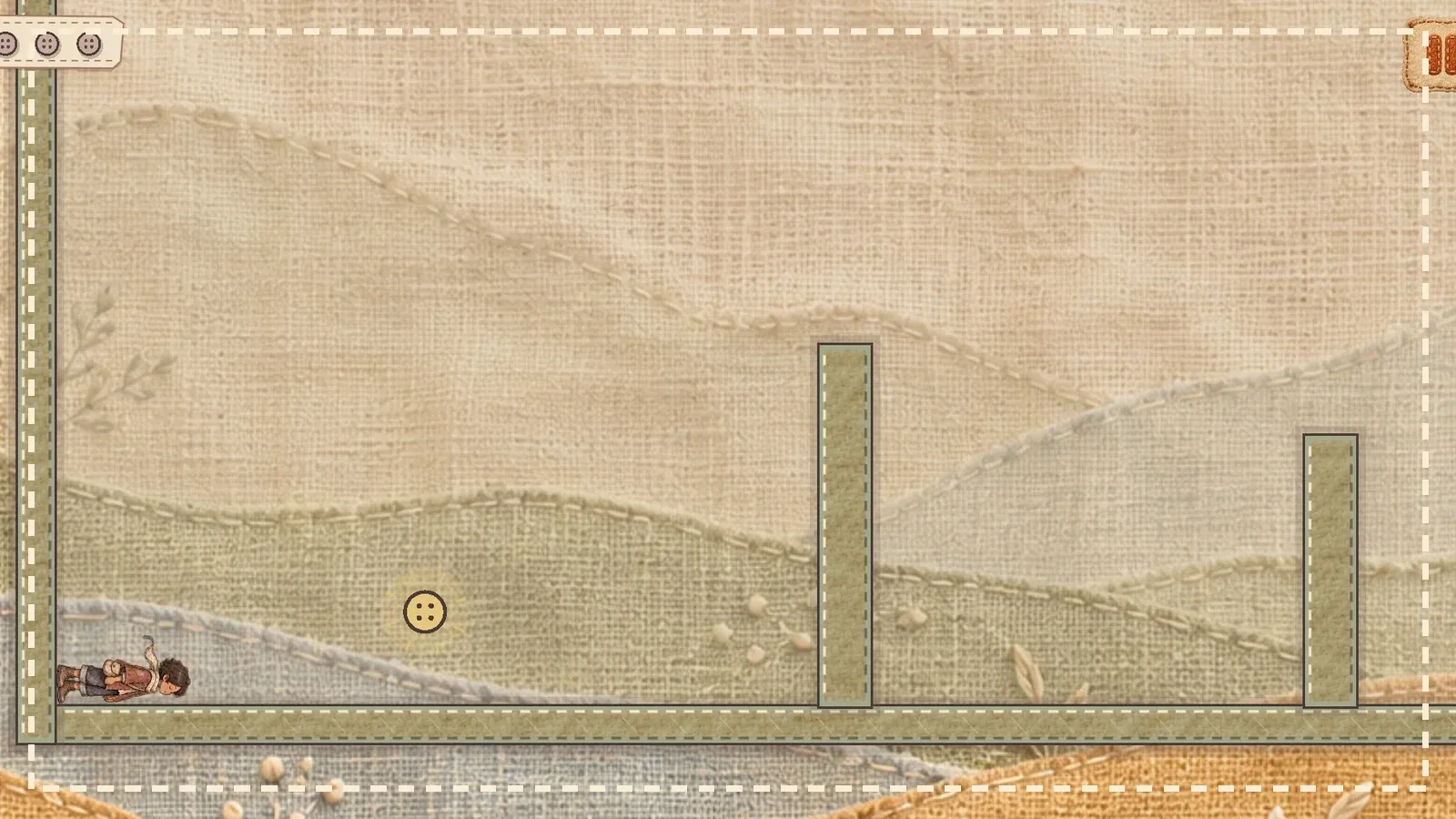
Stitchfall's name grew from its sewn world and turning gravity. Here is how the name, the lettering and the buttons fit together.
Water, dunes, forest, night quilt, rain meadow and frost woodland: what each of Stitchfall's worlds does to the runner, with the real numbers behind every pull.
How one tap turns the pull in Stitchfall: gravity as a direction, running along the tangent, jumping against the pull, and the forgiving timings that make it feel fair.
 Sunwise
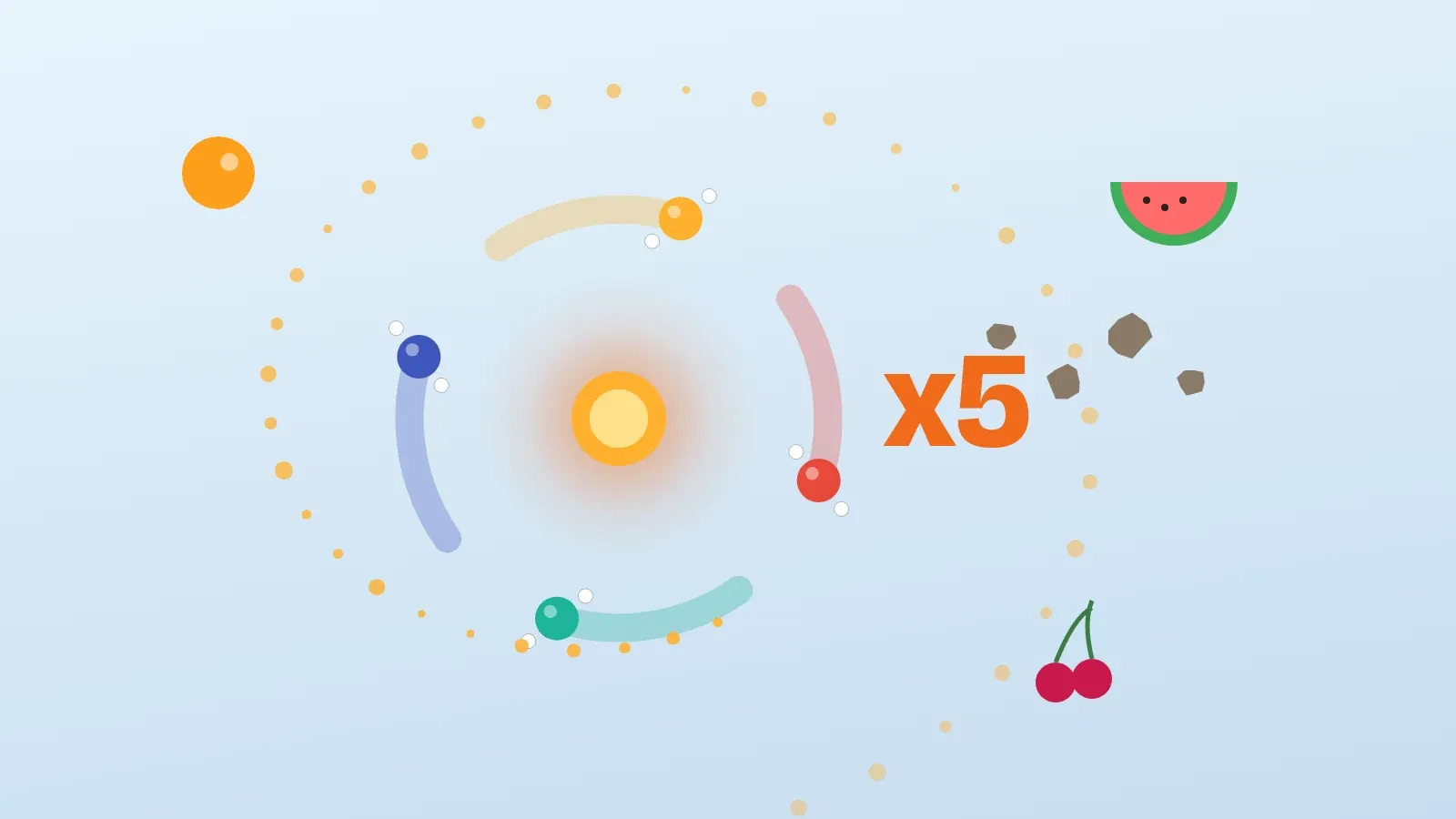
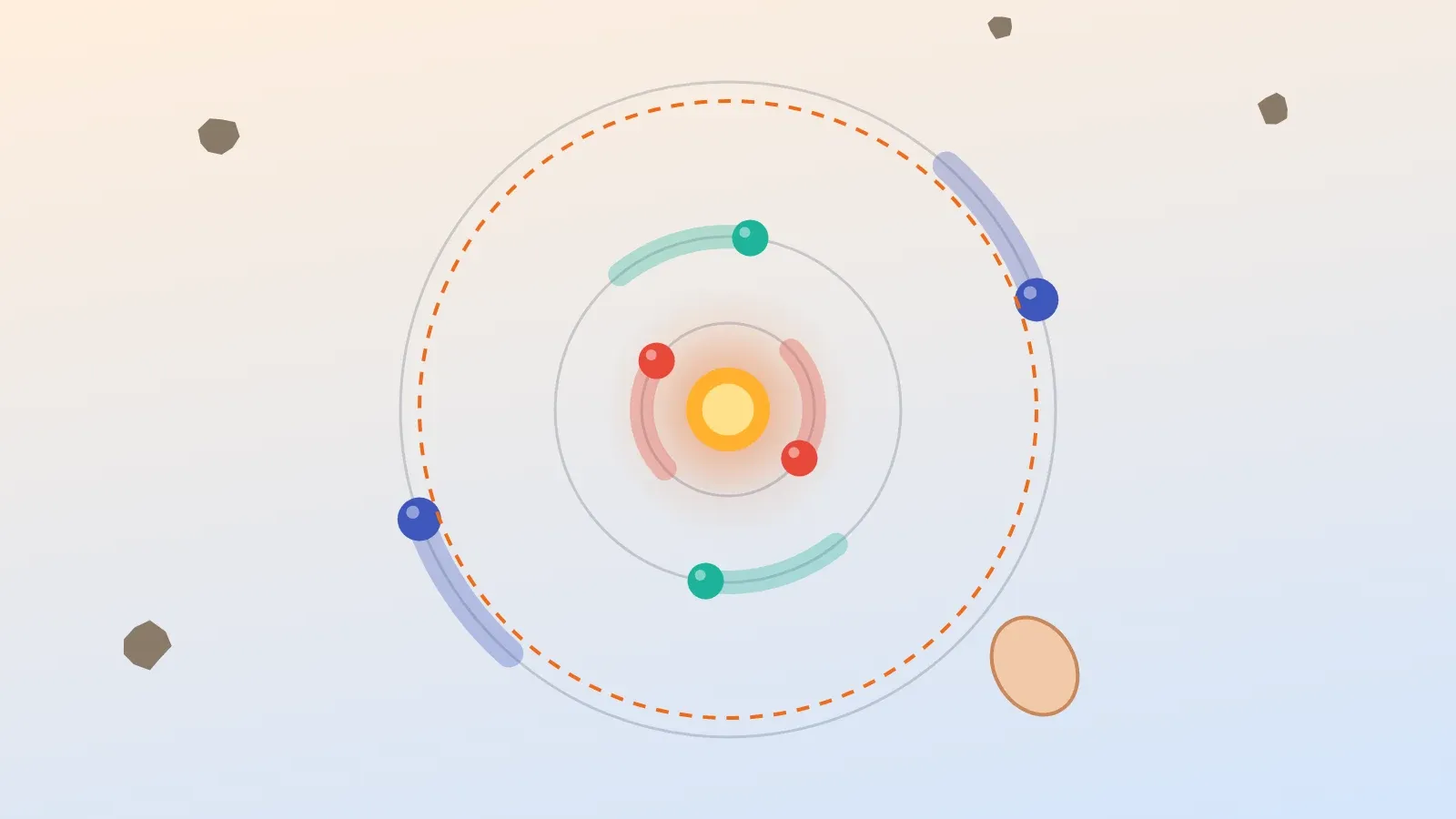
's Endless is one sky that never clears. How the score works, chains up to x5, bosses on a clock, twists, fruit, and why speed is what finally beats you.
SunwiseEvery Sunwise chapter brings one new thing to keep off your star, its own sky and a named boss at the end. Meet Old Grey, The Lighthouse and the rest.
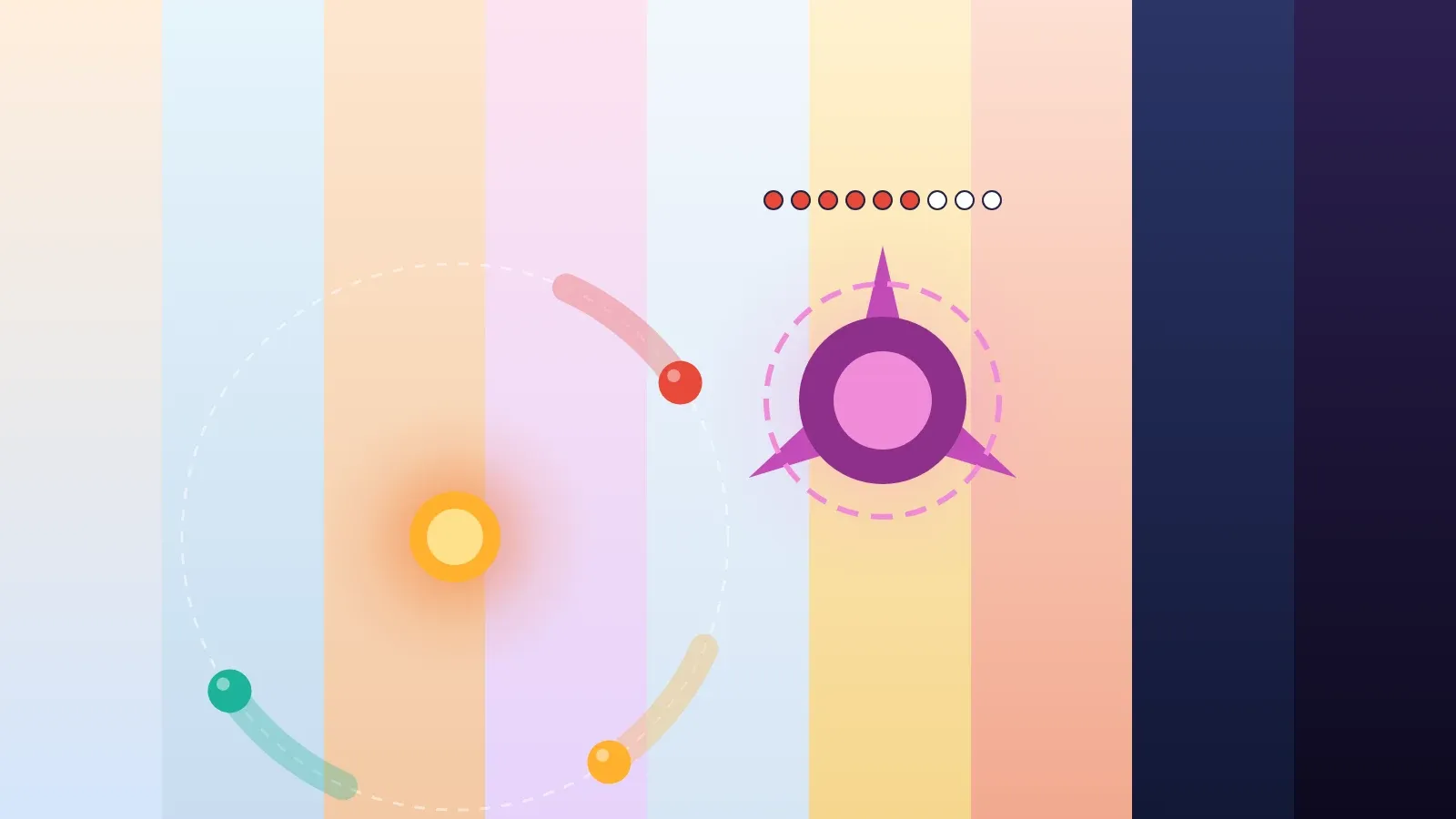
SunwiseIn Sunwise your thumb only sets how wide your planets swing. Why the ring moves like a spring, why tight rings spin fast, and why it sits a little inside your thumb.
 Rinse
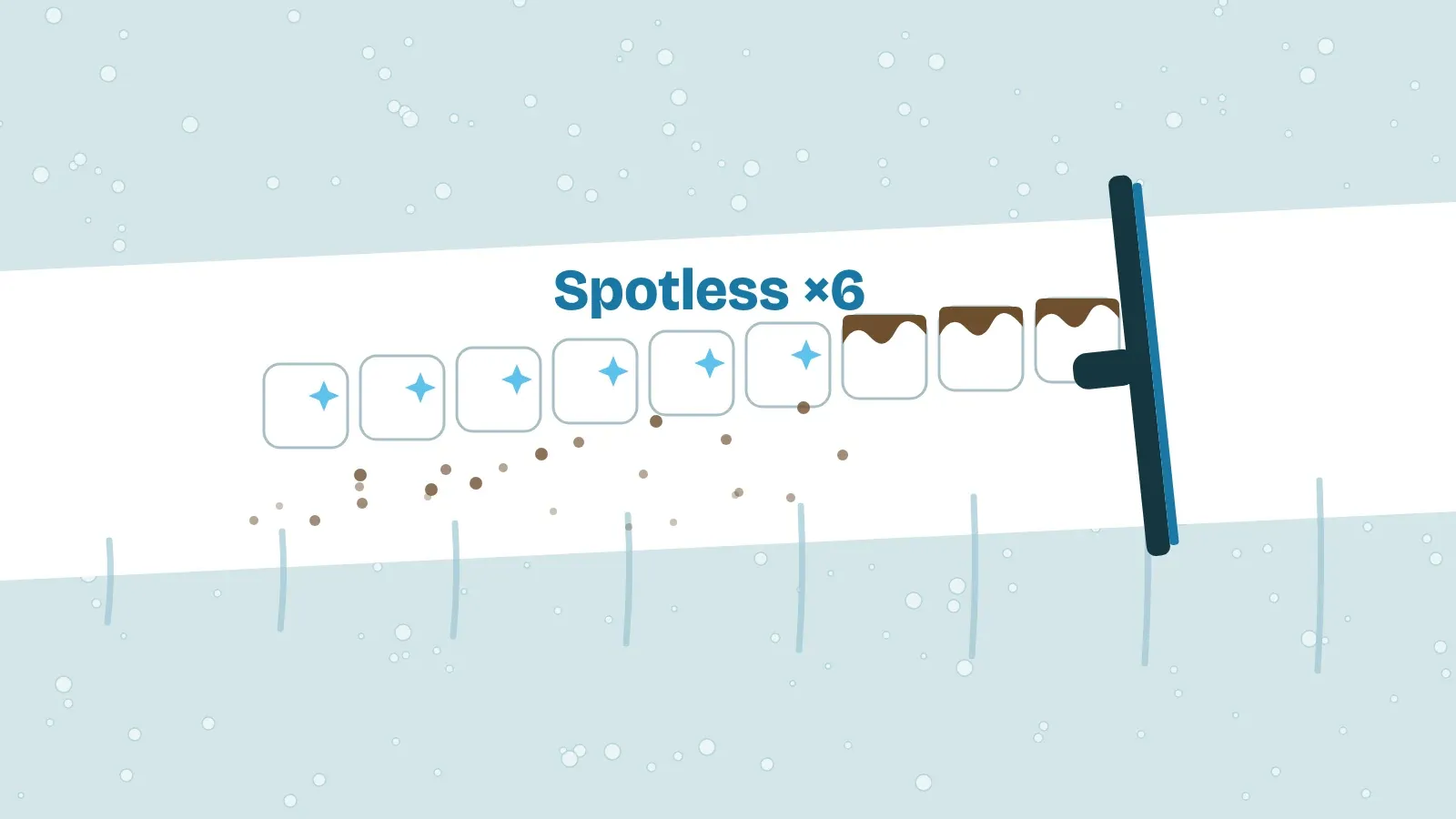
Why every screen in Rinse sits behind wet glass, why screens change with a squeegee wipe, and how a Spotless count and a rising note make washing satisfying.
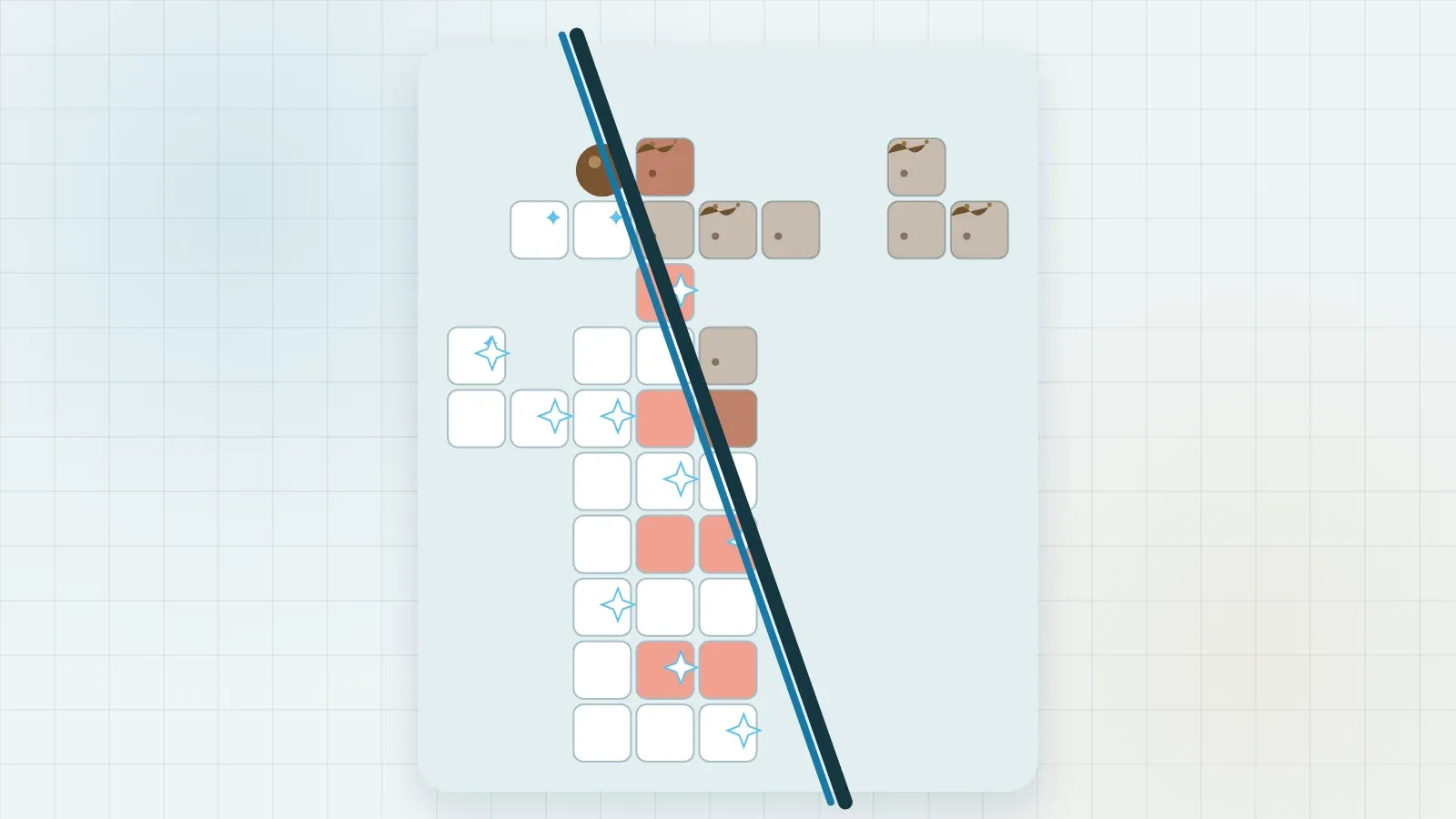
RinseEvery Rinse level is one grimy thing to wash, from a patio slab to a rocket. How the things are built from shapes, painted, and put in an order that only gets harder.
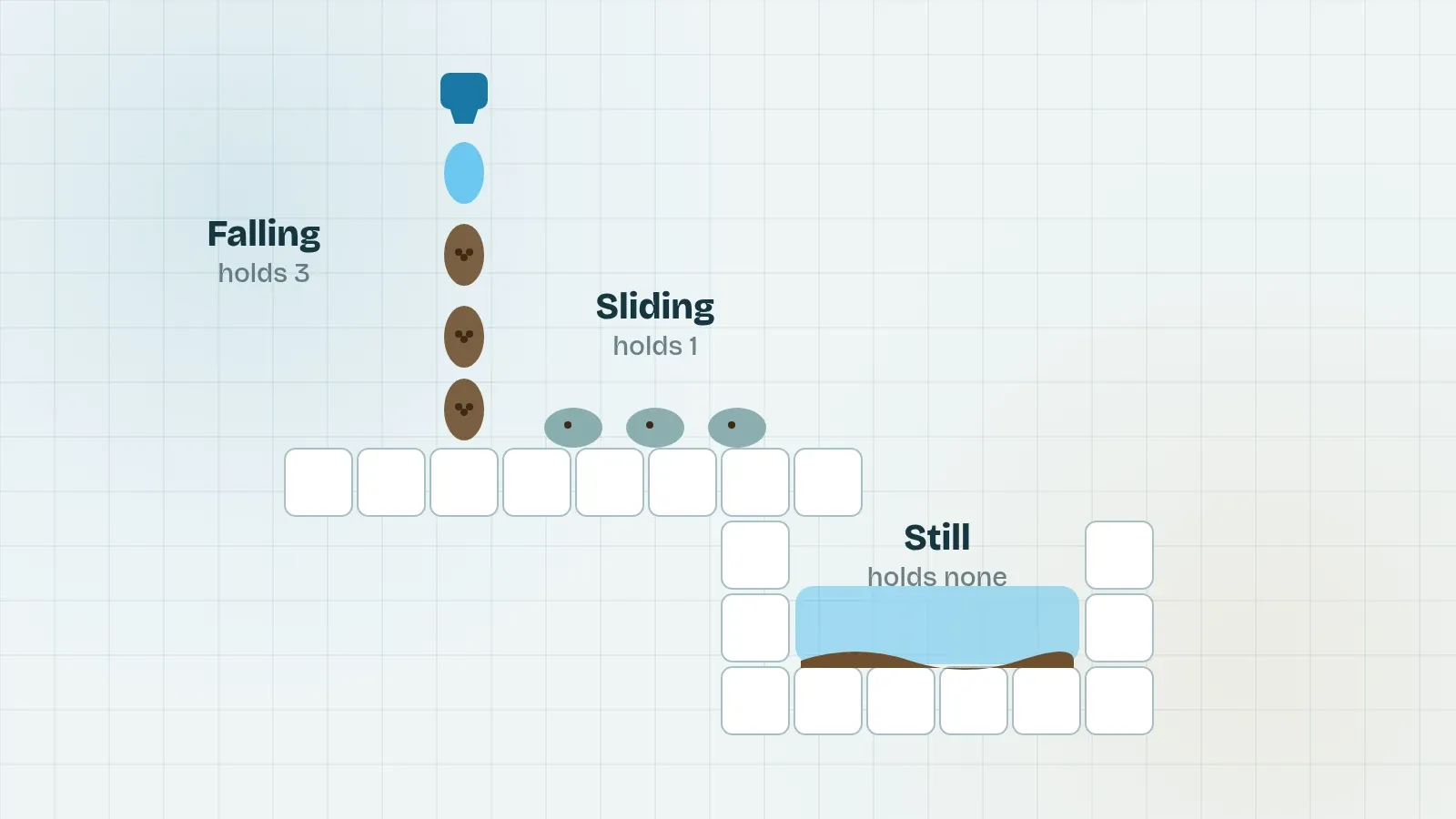
RinseIn Rinse, falling water scrubs, sliding water carries a little and still water drops its dirt. How the water works, and how that turns washing into a puzzle.
 Hako
What waits inside Hako's boxes: a treasure at the end of every chapter, a shelf to fill, woods and lacquers for every box, and the story of the new lacquer logo.
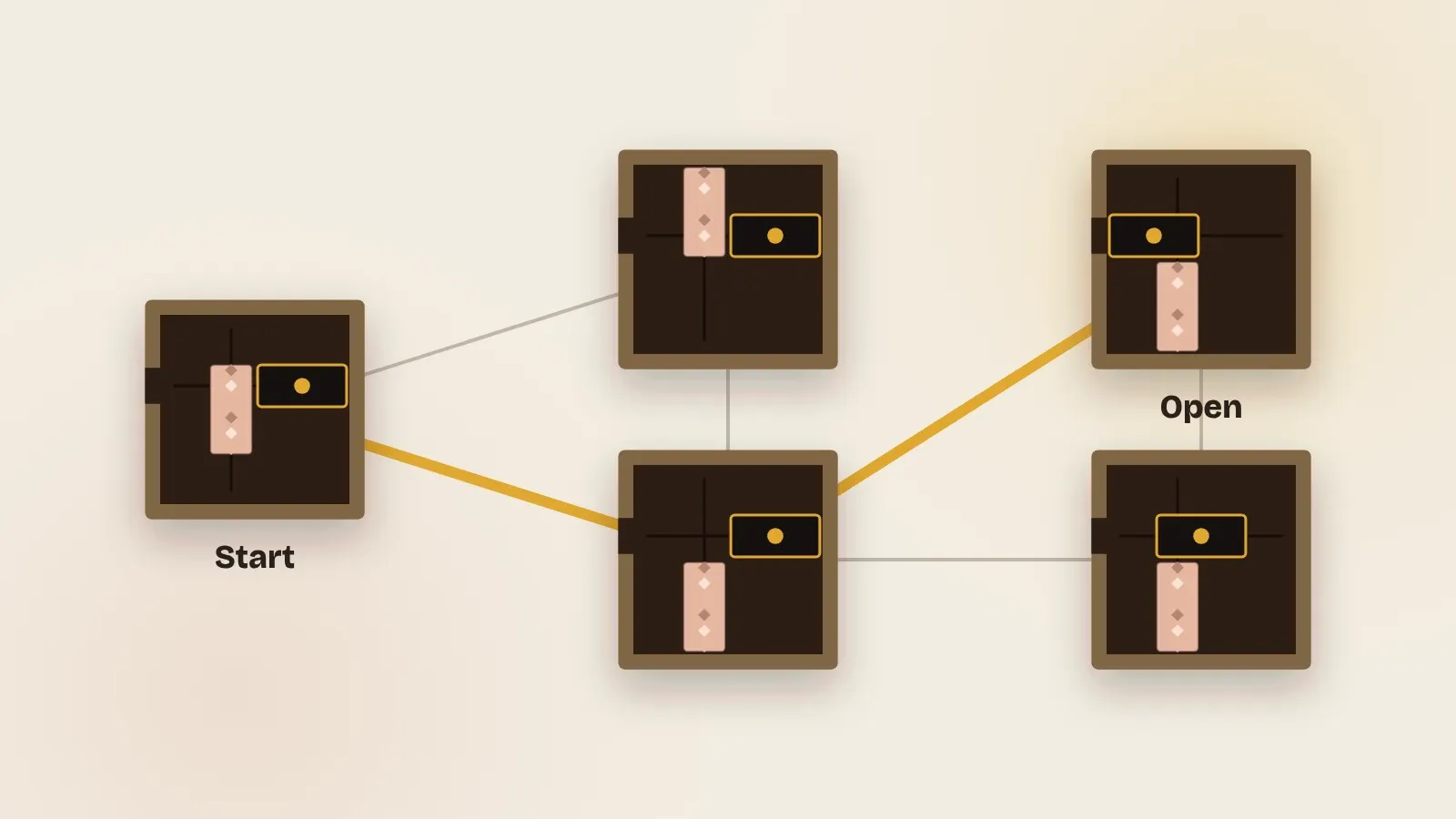
HakoWhy no box in Hako can ever get stuck, how its goal is the true fewest moves, how a program climbs to deep boxes, and why the boxes only get harder.
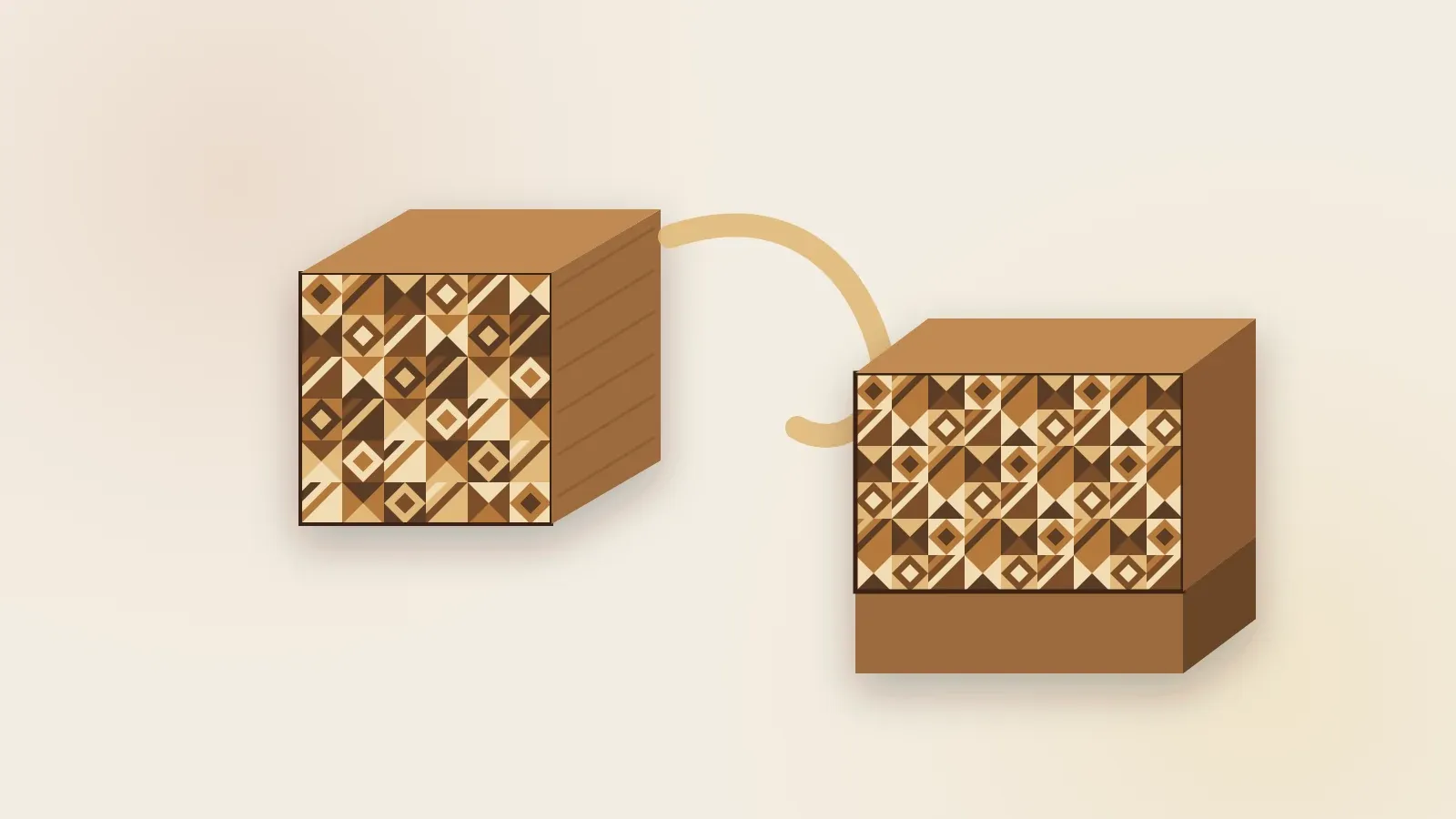
HakoHako comes from the secret boxes of Hakone, wrapped in yosegi wood mosaic. What I borrowed from that craft, and how every box got a name, a maker and a story.
 Seiche
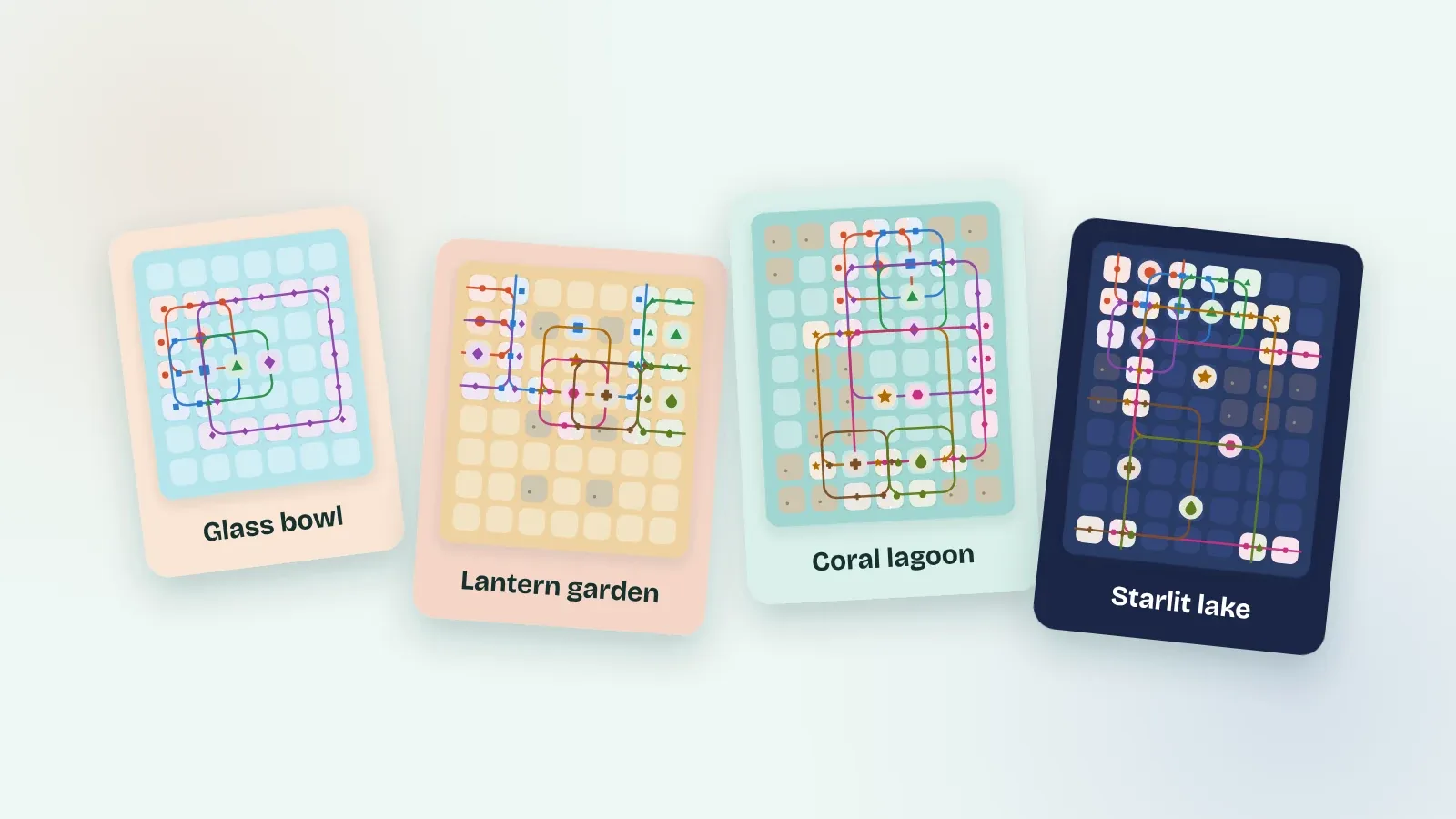
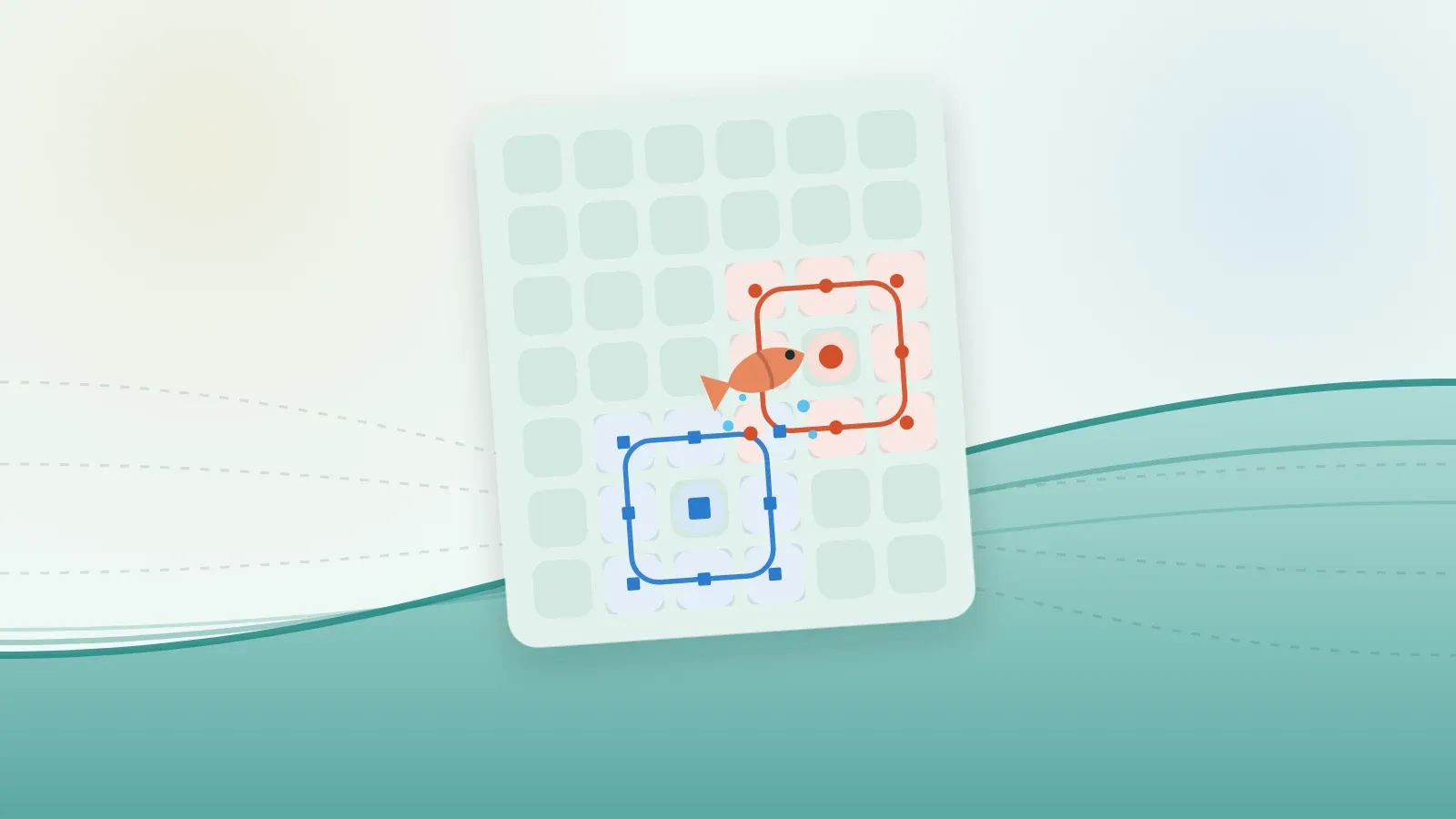
Every Seiche pond is somewhere: a glass bowl at dawn, a koi garden in the rain, a frozen lake at dusk. How the places, the fish and the looks you collect came together.
SeicheEvery Seiche pond has one answer you can read without a guess. How the ponds are built, what a what-if is, where the hint comes from and why ponds only get harder.
SeicheA seiche is one slow wave that rocks a whole lake. How that word became the name of a calm ring puzzle, why its rings are square, and why the board has no numbers.
 Pyxis
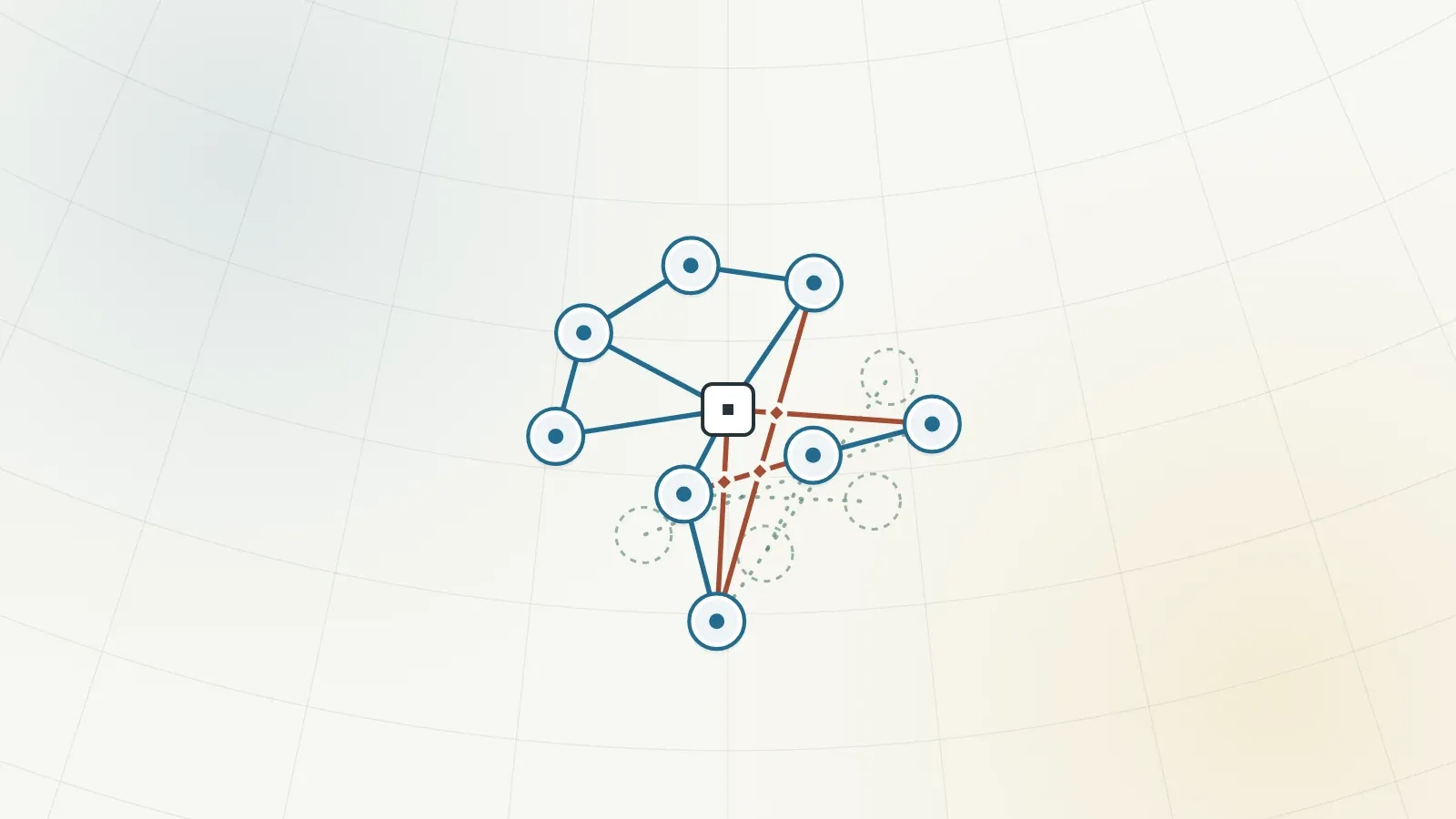
Every Pyxis level starts as a finished web and is tangled backwards. Here is how the webs are drawn, tangled, measured and put in order, chapter by chapter.
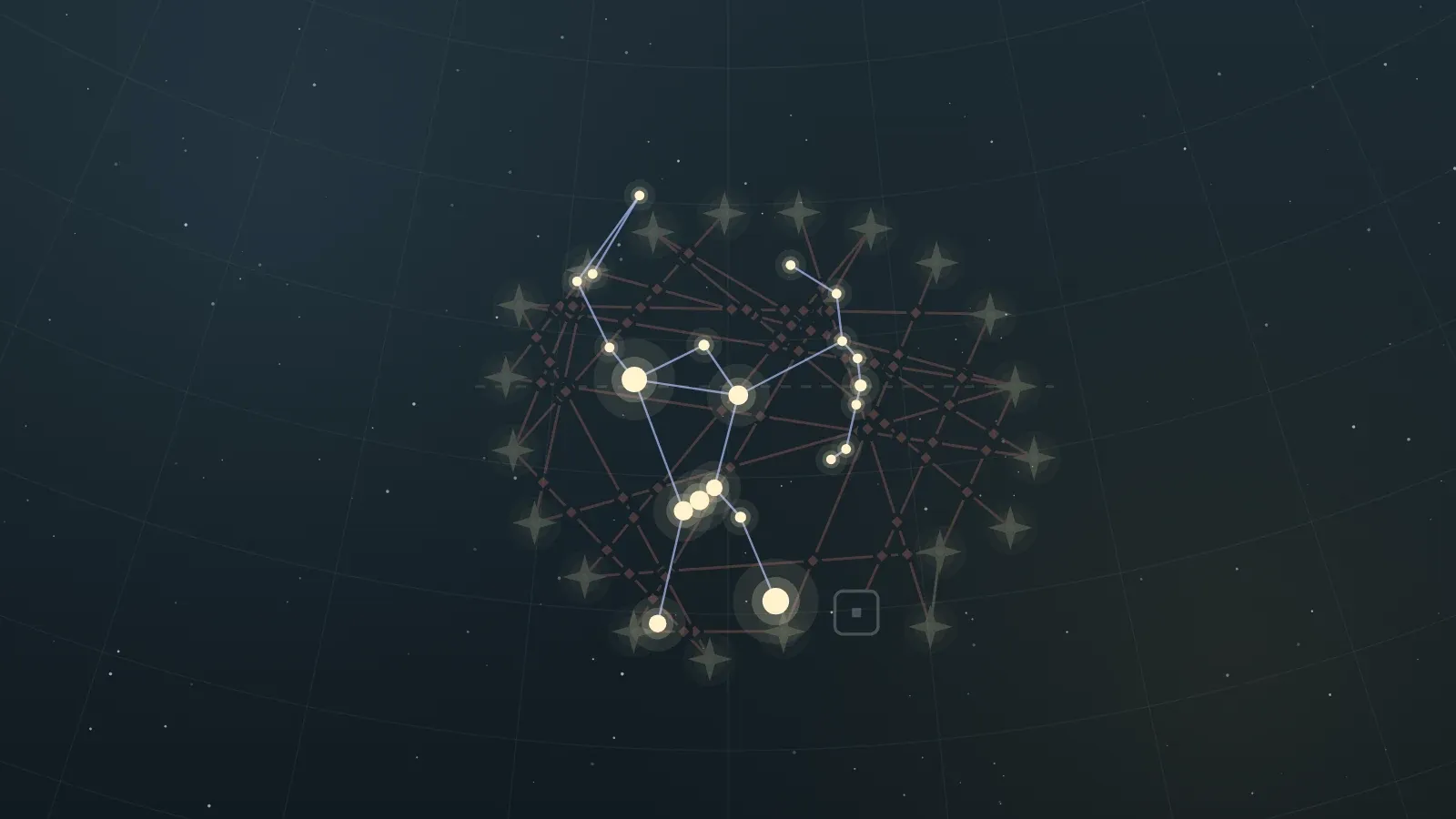
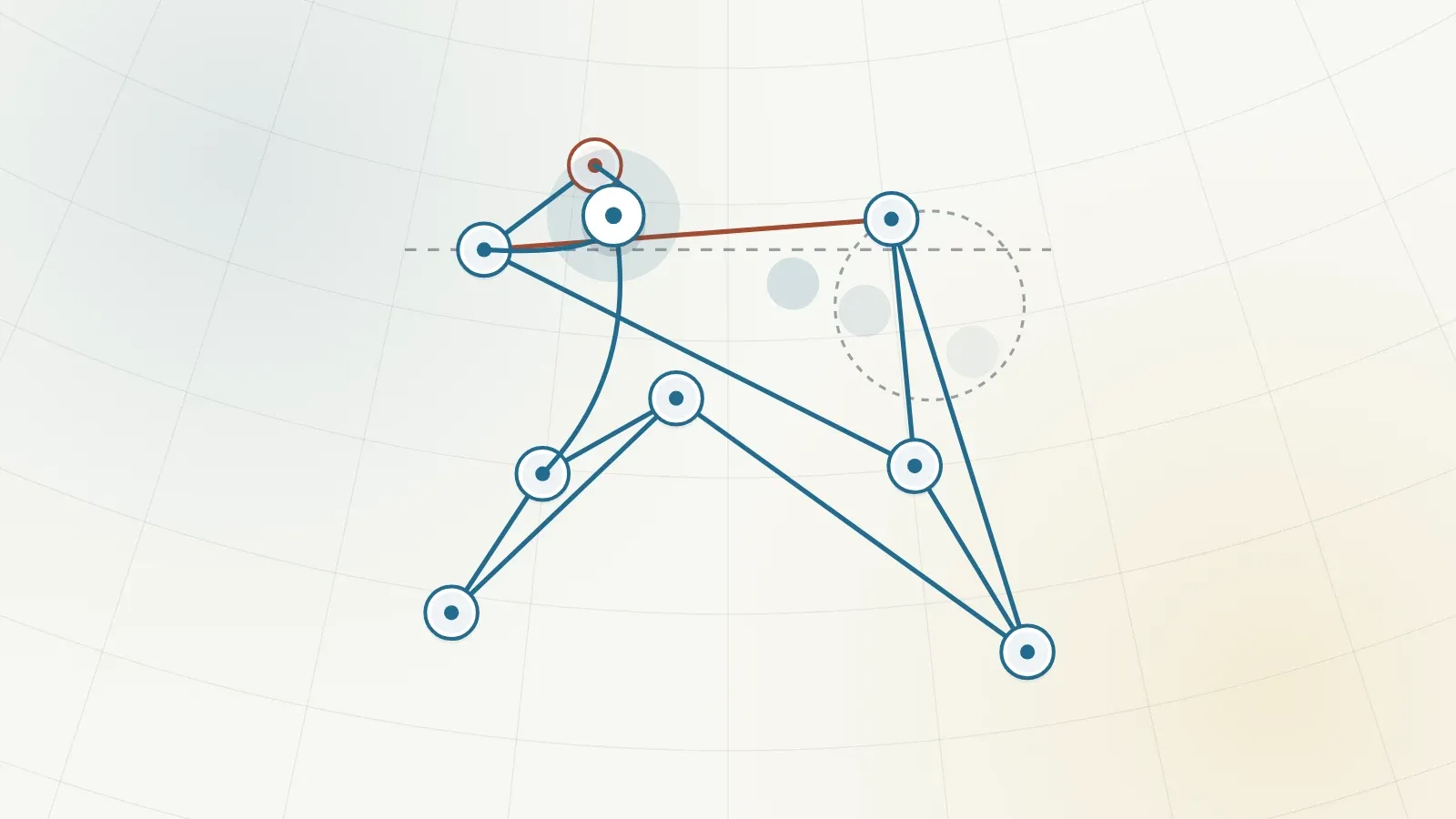
PyxisSome Pyxis webs are real constellations, from little Aries to Orion the hunter. How a figure from a star atlas becomes a level, and what happens when you clear one.
PyxisKnots on springs, strands that bow and settle, crossings that snap apart: the small physics that makes a Pyxis web feel like thread, not lines on a screen.
Chaosmos is one person working with AI tools. What I do, what the AI does, how a change gets to my phone, how it is checked, and what goes wrong.
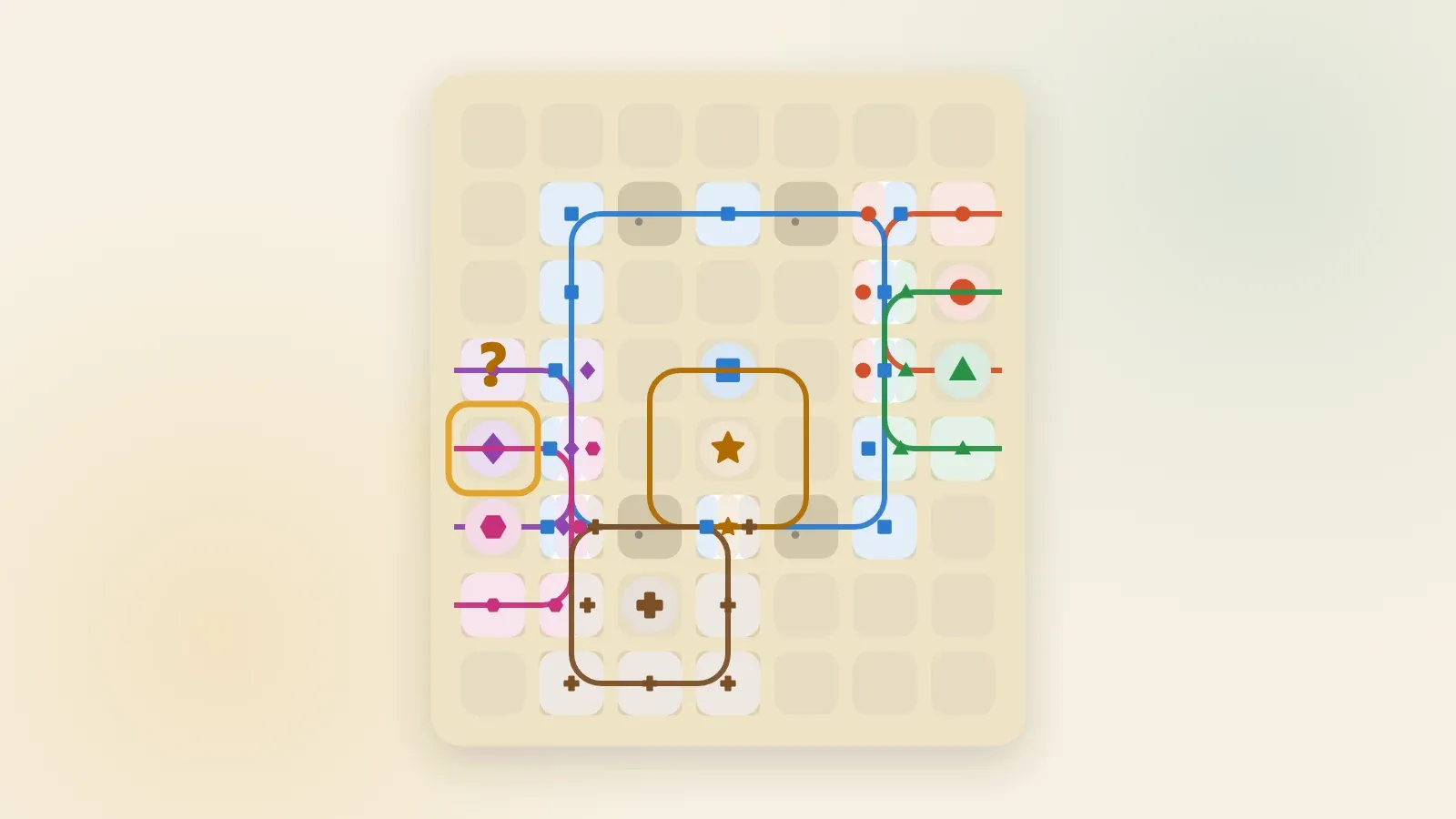
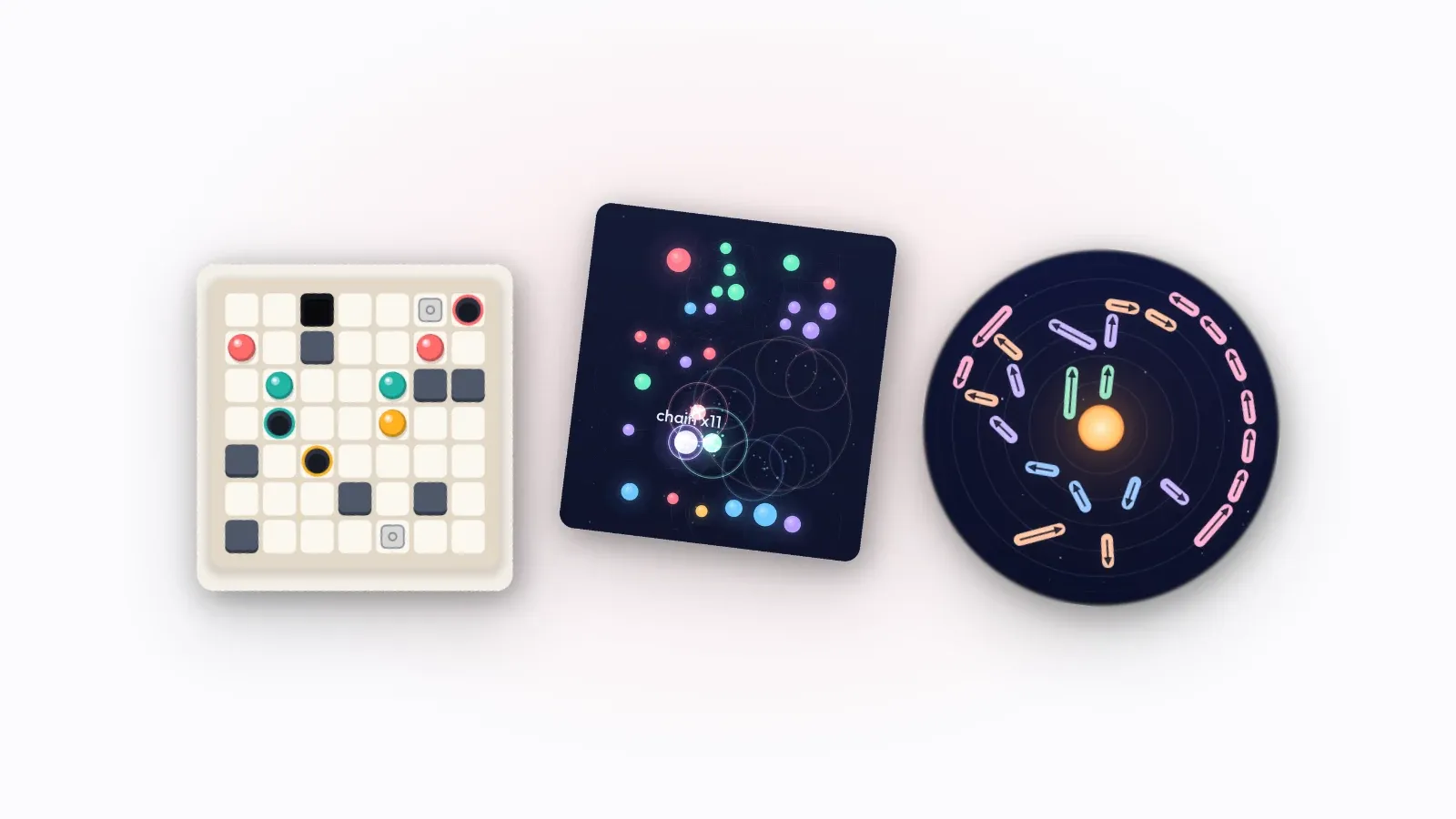
Plumb, Carillon and Apsis all follow one rule: a program makes every level and another proves it. Here is how each game does it, and why it matters.
 Plumb
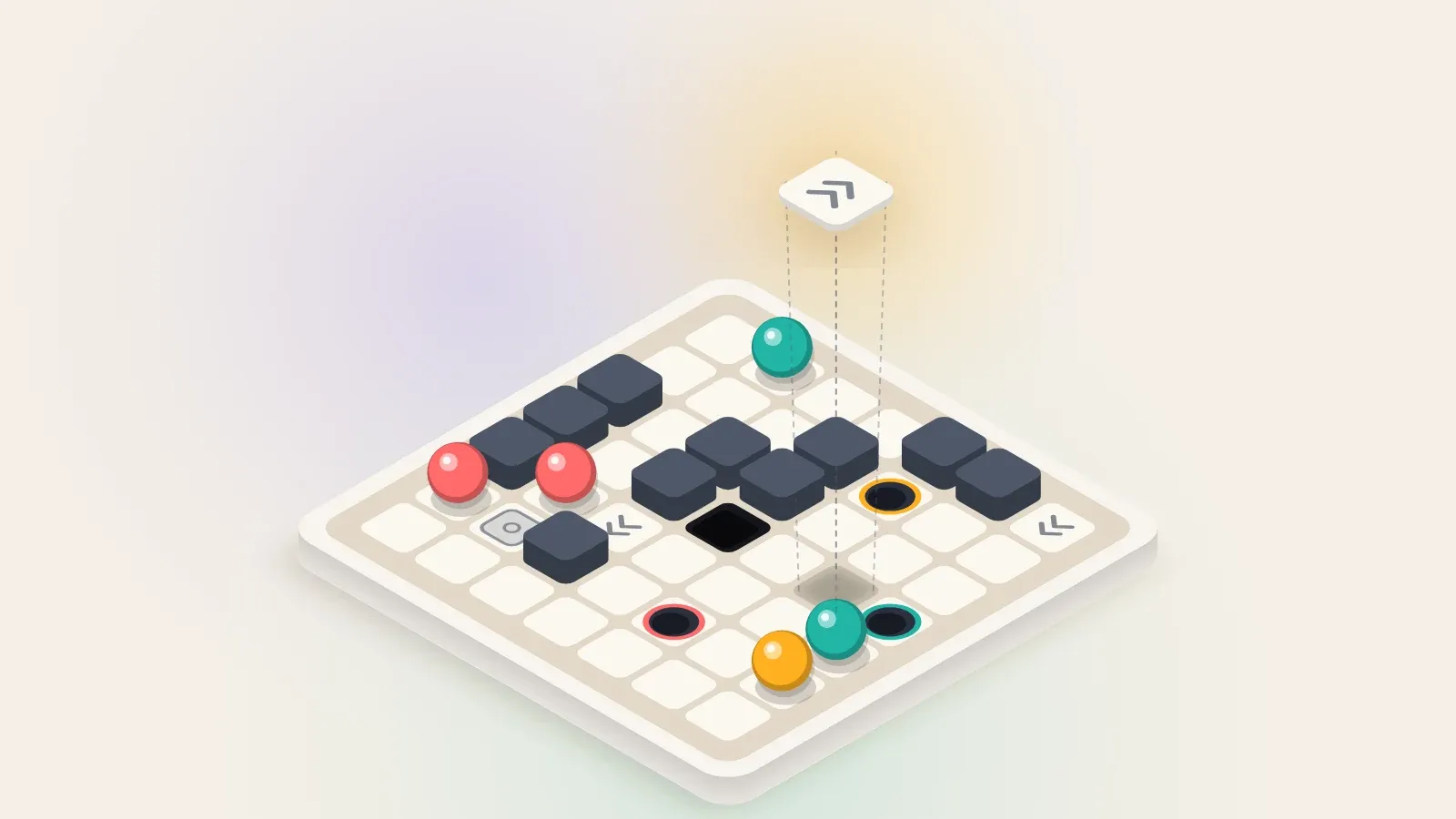
How Plumb's levels are made: random boards, a solver that sets the goal, a test that each chapter's rule matters, and a pass that strips tiles the best route never needs.
 Carillon
How Carillon grows each field from roots, dresses it with its chapter's rule, proves the goal with a solver, measures difficulty in bits and turns away repeats.
 Apsis
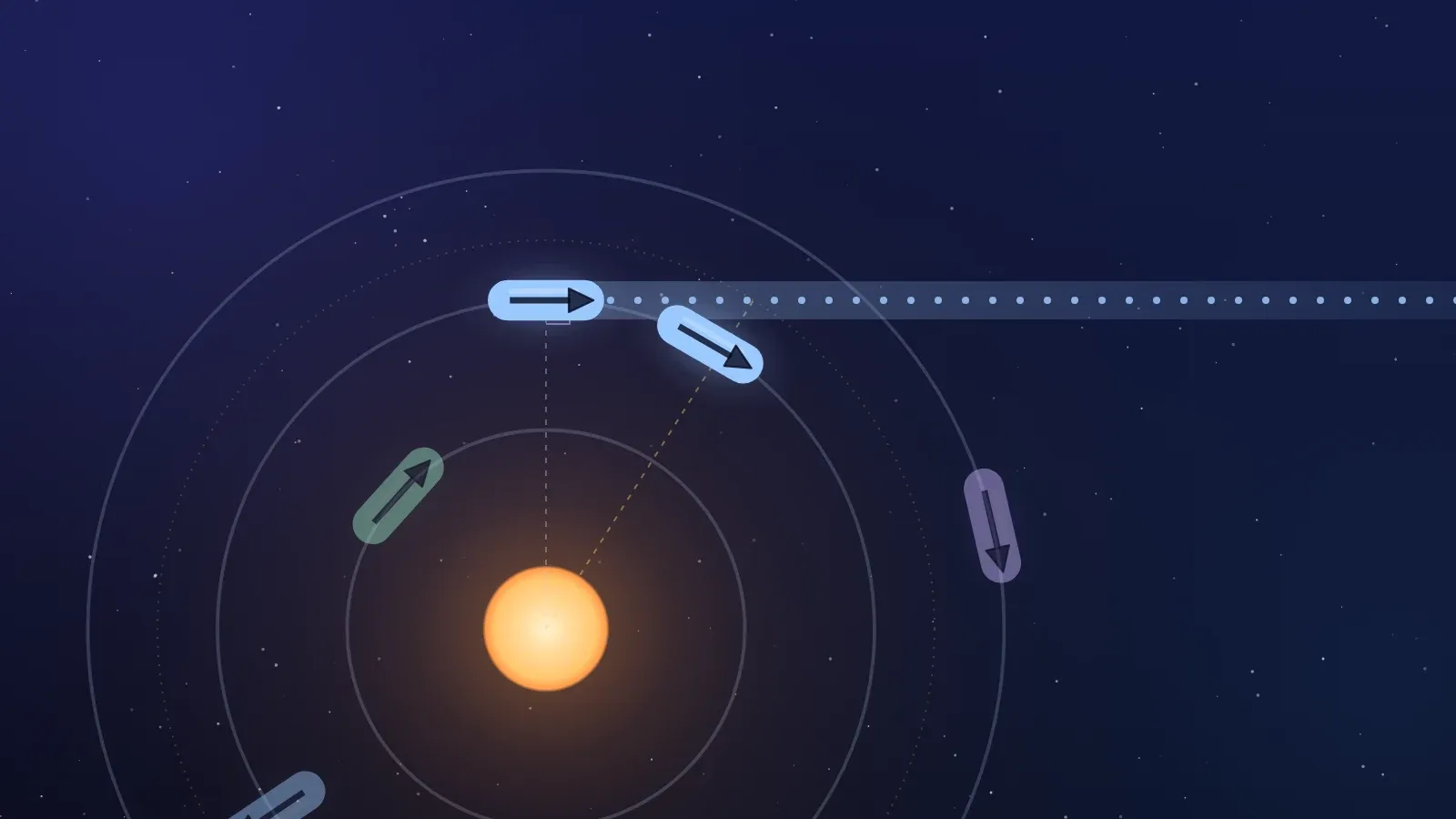
How Apsis builds each level backwards so it can always be cleared, aims arrows to block, measures difficulty in reads, orders the levels and refuses repeats.
ApsisWhat the Apsis hint lights, why a free arrow is always a safe move, how it picks among free arrows, and what it does at a jam or when you are out of hearts.
CarillonA Carillon field is a directed graph, a chain is a shortest-path search, and the goal is a count of source components, right up until the rules start to bend it.
ApsisHow Apsis works out exactly what a flying arrow hits, why an arrow along its ring catches the one ahead, how close arrows pass the sun, and which arrow you meant.
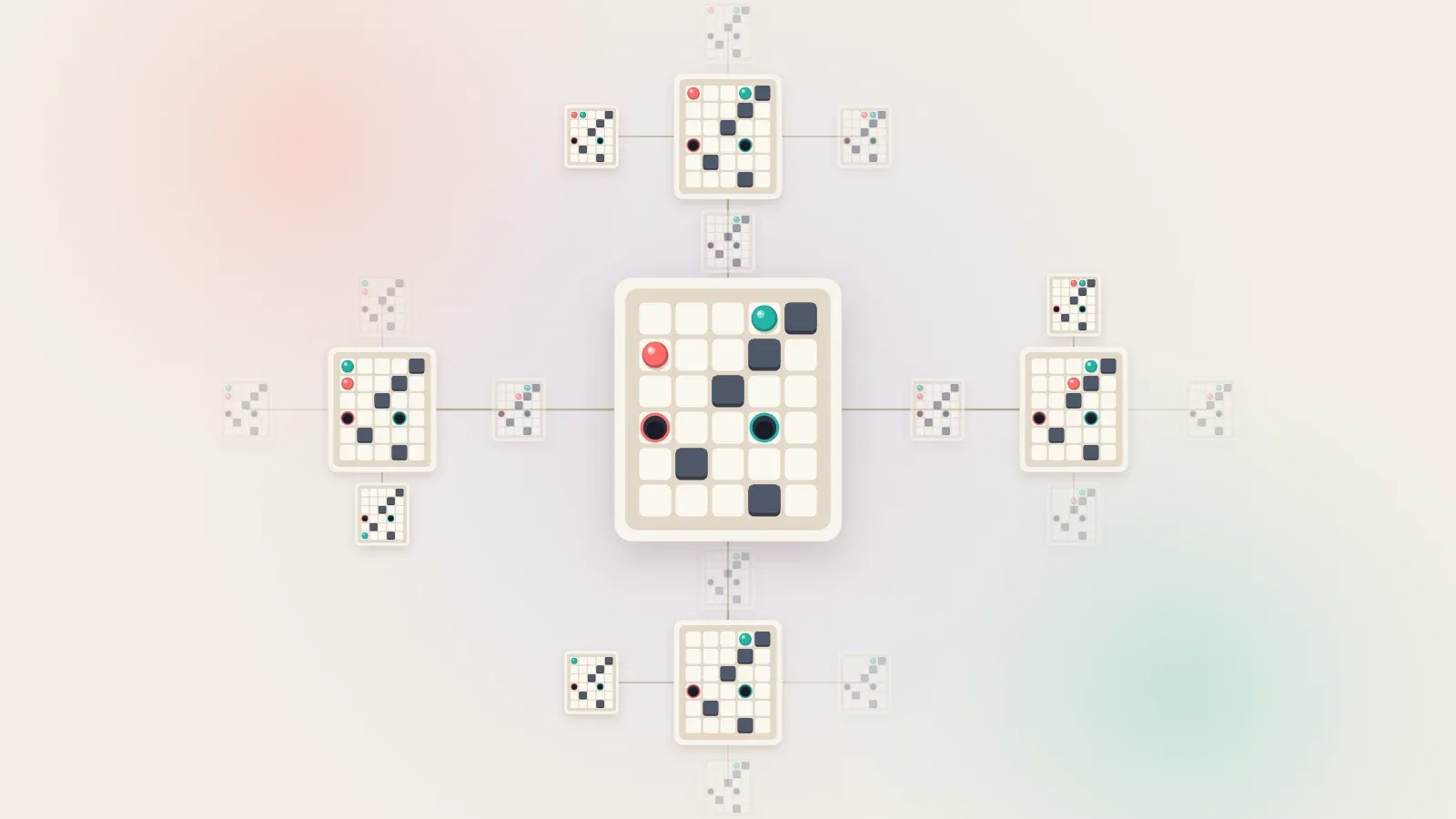
PlumbPlumb has only four moves, yet its longest levels take over twenty tilts. How moving every marble at once grows a vast tree of sequences that folds into few positions.
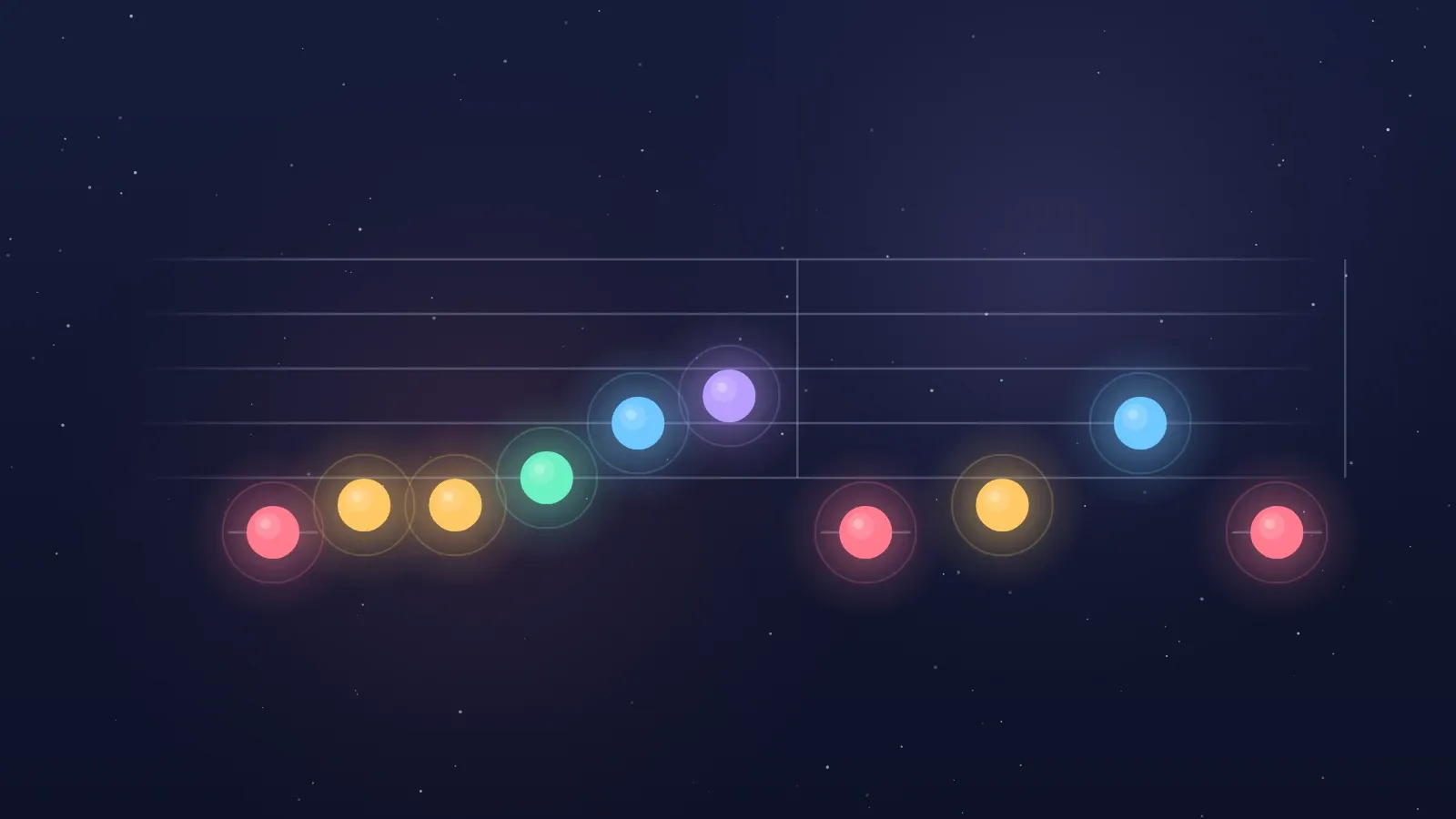
CarillonIn Carillon a dot's colour is its note and its size is the octave, on a pentatonic scale, so any chain sounds like music. How the notes are chosen, made and played.